Tag: tree

  • Husqvarna 435 Chainsaw Review A Budget-Friendly Performer

    Husqvarna 435 Chainsaw Review A Budget-Friendly Performer

    Husqvarna 435 Chainsaw Review A Budget-Friendly Performer

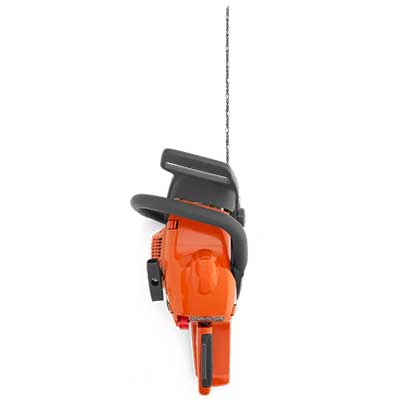
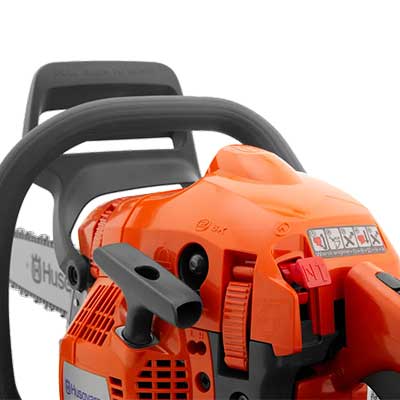
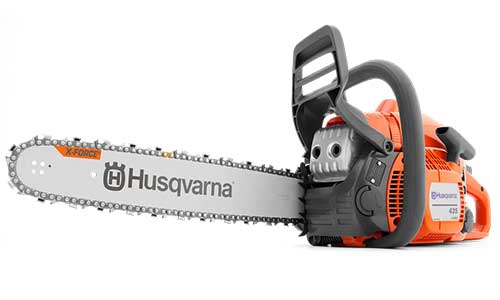
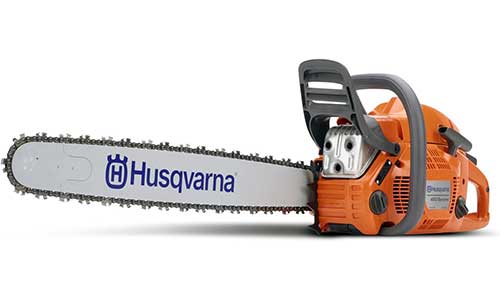
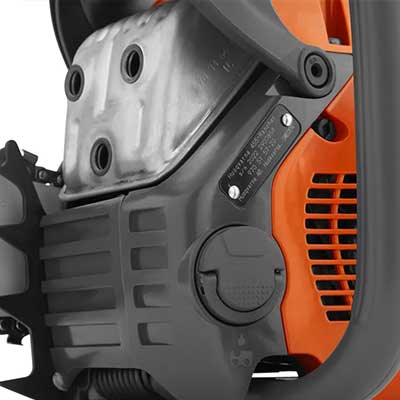
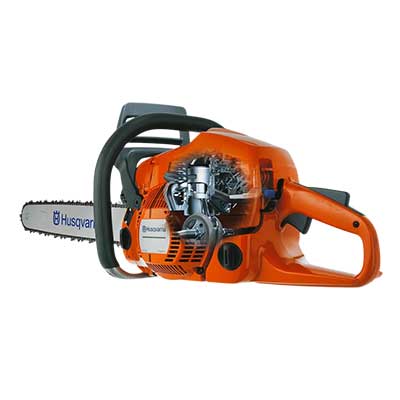
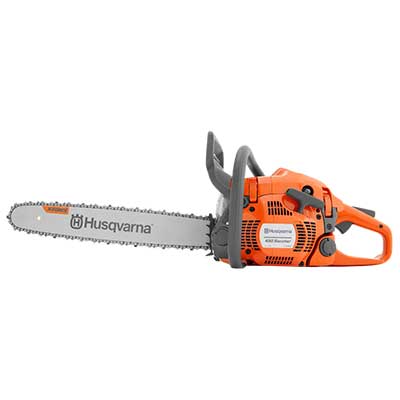
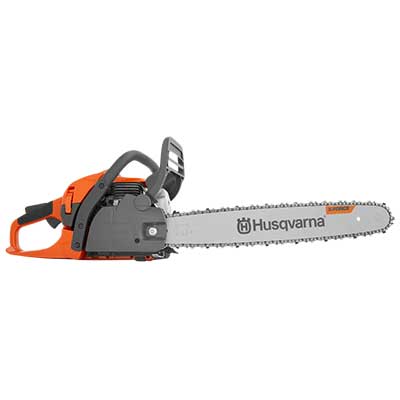
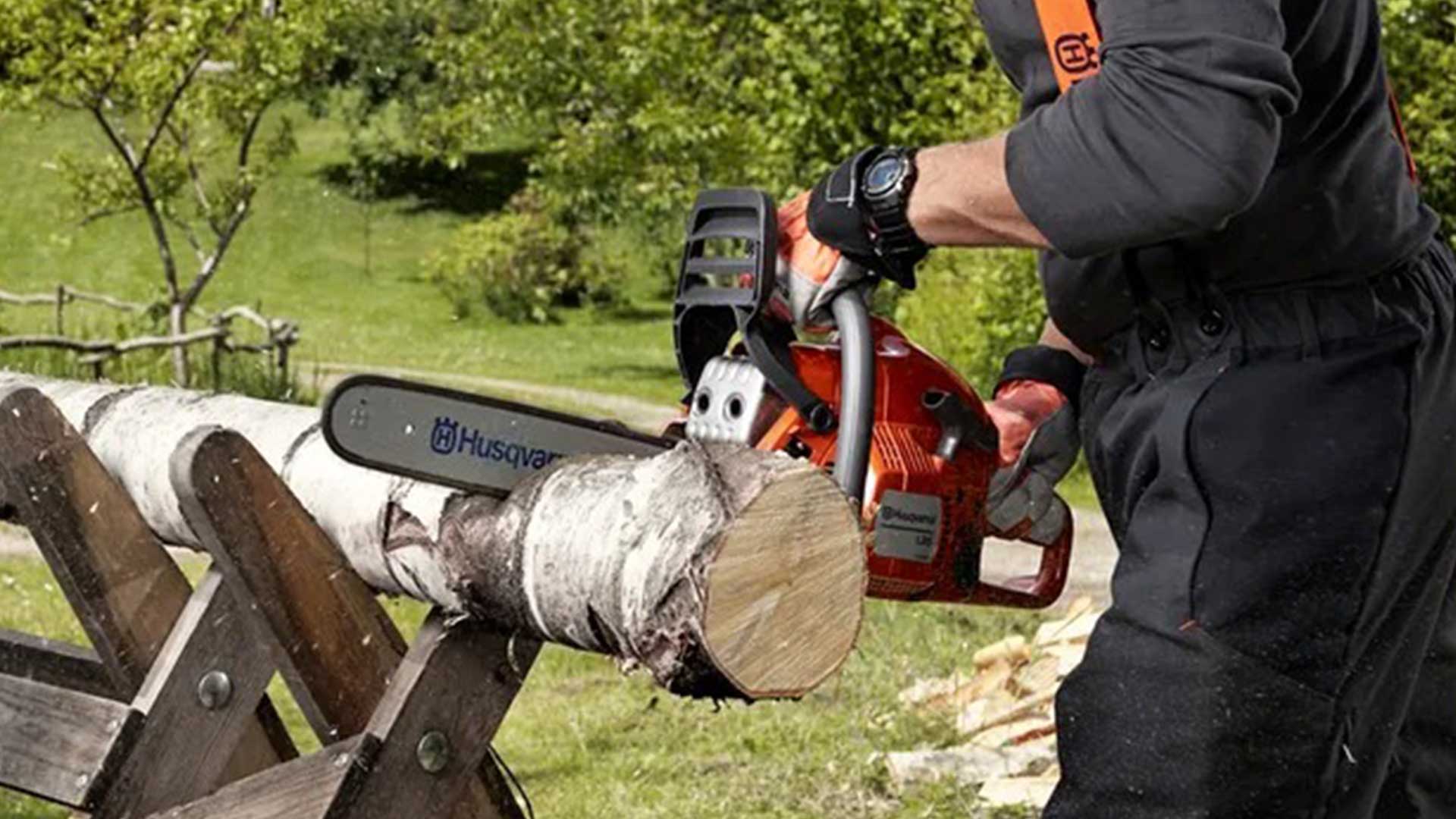
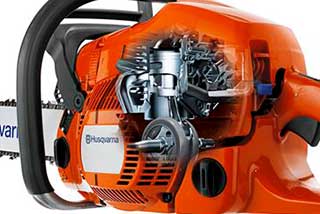
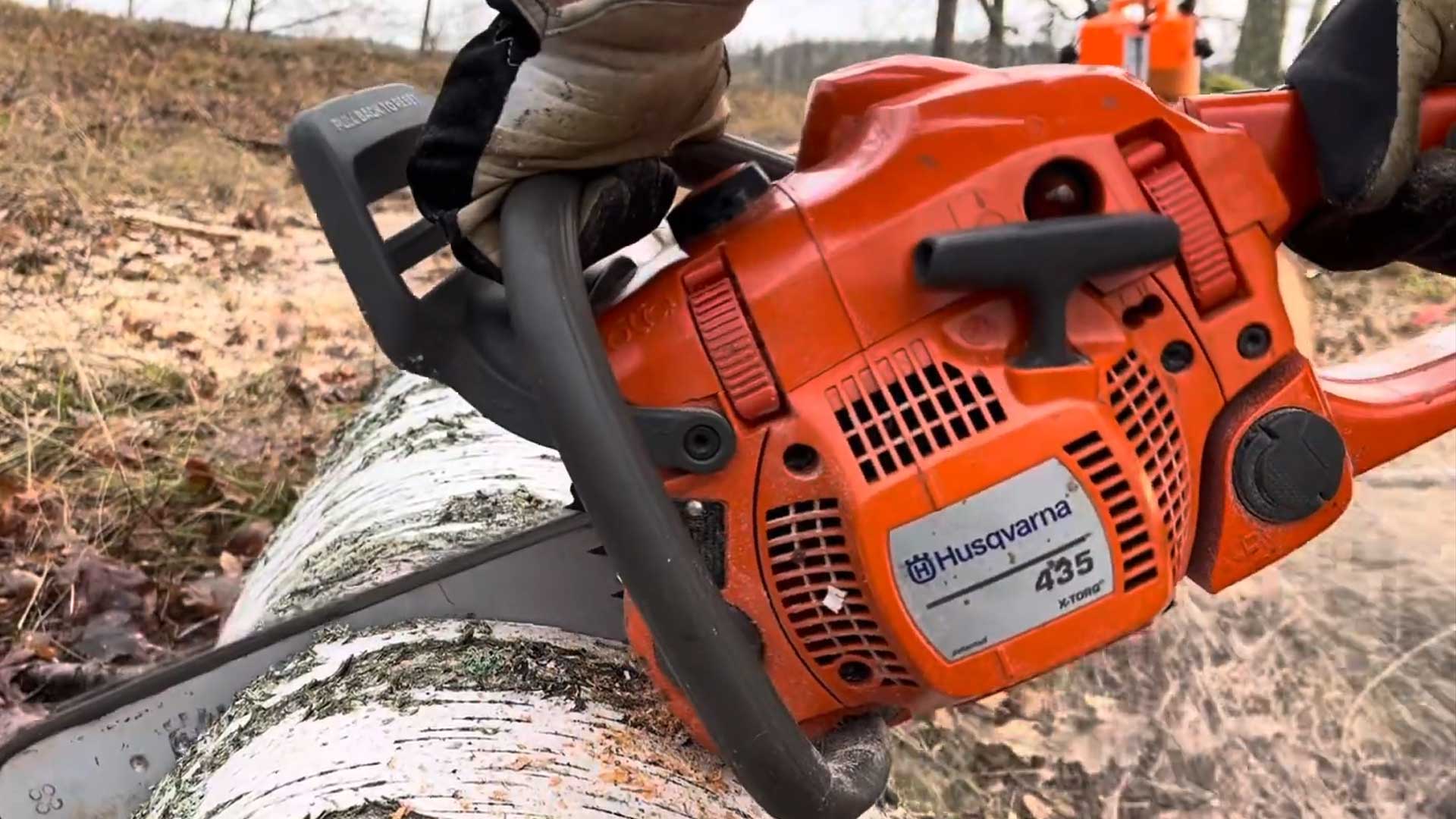
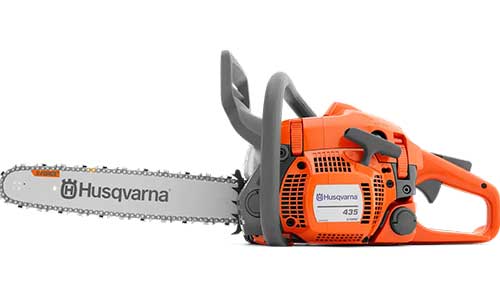
    The Husqvarna 435 Chainsaw is a reliable mid-range gas-powered chainsaw designed for homeowners and occasional users who need a dependable tool for yard work, pruning, and small to medium-sized tree felling. With a robust 40.9cc engine, this chainsaw offers a balance of power and ease of use, making it ideal for those who require performance without the complexity of professional-grade equipment.
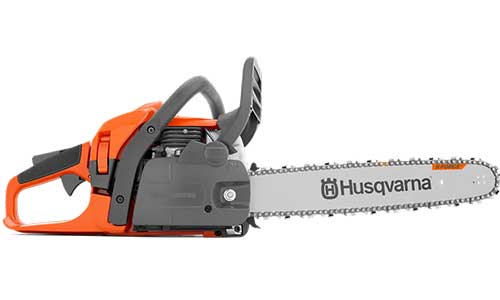
    Design and Build Quality

    The Husqvarna 435 showcases thoughtful engineering with its robust construction and ergonomic design. The chainsaw features a durable plastic housing reinforced with professional-grade components, striking an excellent balance between durability and weight management. At 4.4 kg (9.7 lbs) without cutting equipment, it’s lightweight enough for extended use while maintaining the solid feel expected from a Husqvarna product.

    • Materials: Constructed with high-quality materials, including durable magnesium and polymer components, ensuring longevity and resistance to wear.
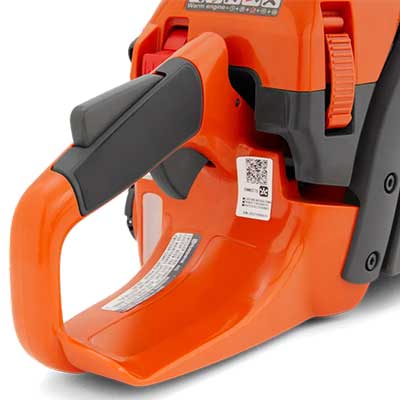
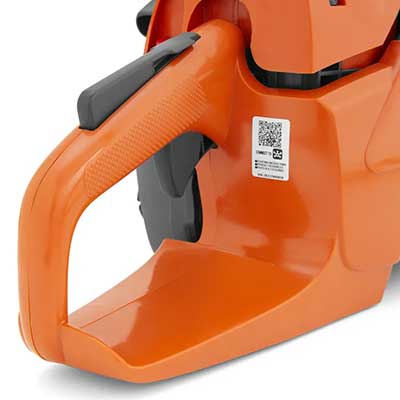
    • Ergonomics: Features an ergonomic design with a slimmed-down rear handle and optimized weight distribution for reduced fatigue during extended use.
    • Weight: Weighing just 10.3 lbs (4.7 kg), it have a perfect balance between portability and stability.
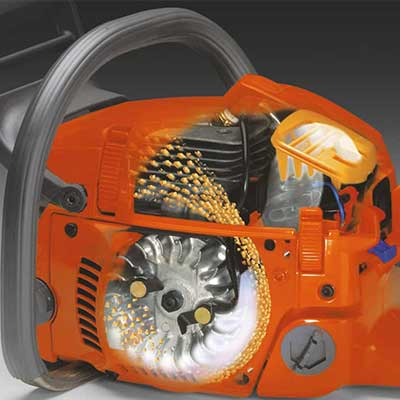
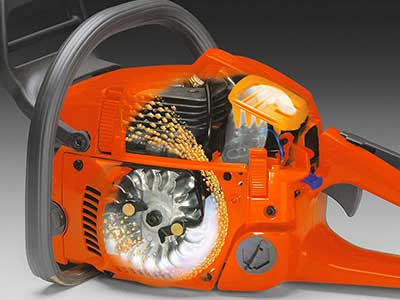
    • Standout Features: Includes anti-vibration technology, an advanced air filtration system, and tool-less chain tensioning for added convenience.
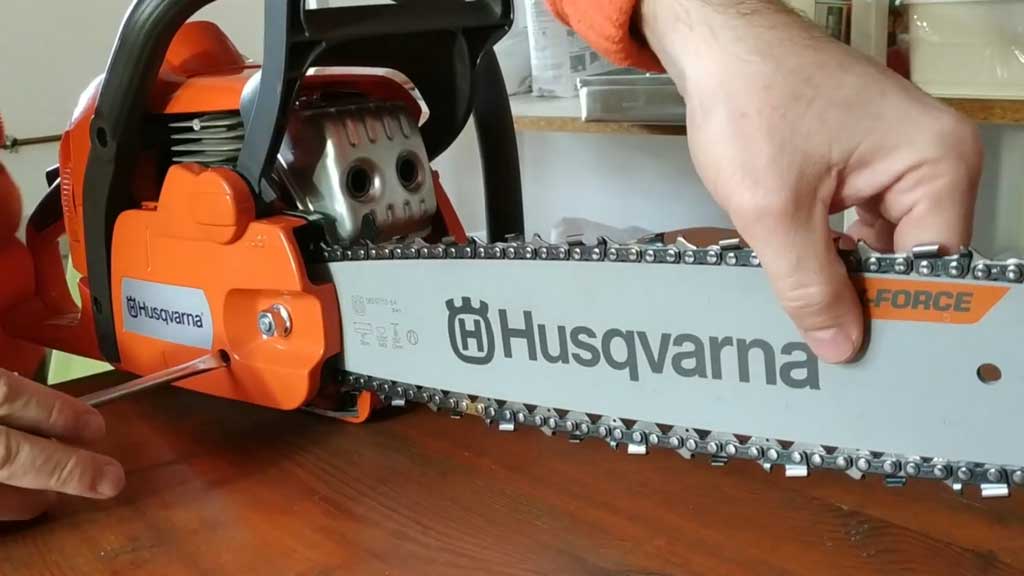
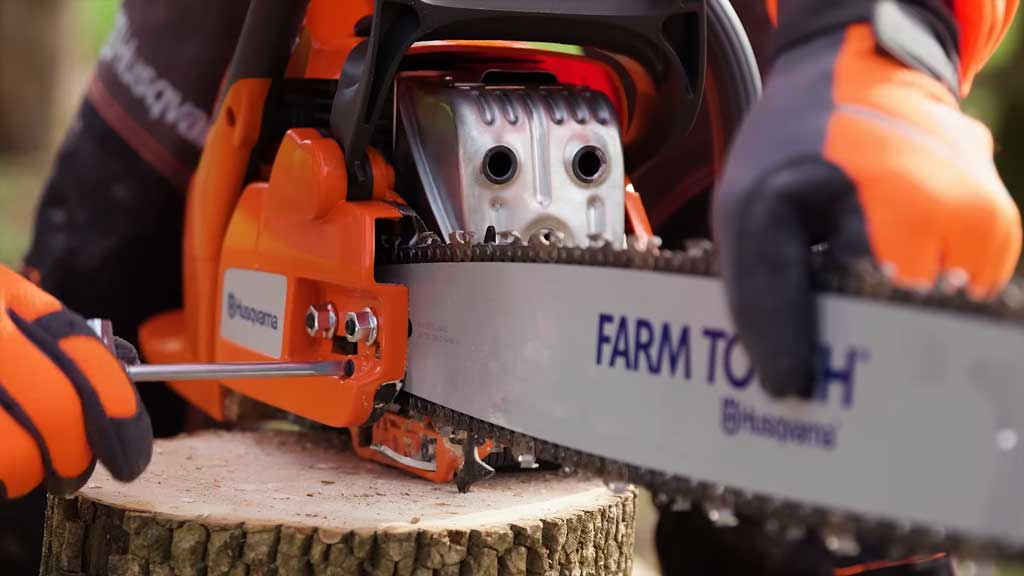
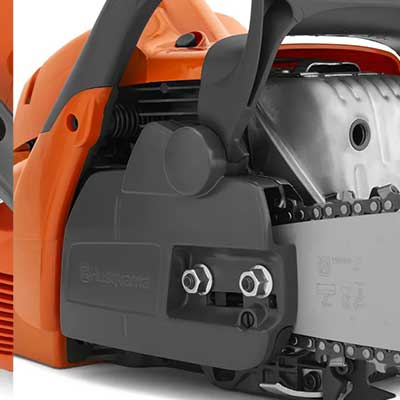
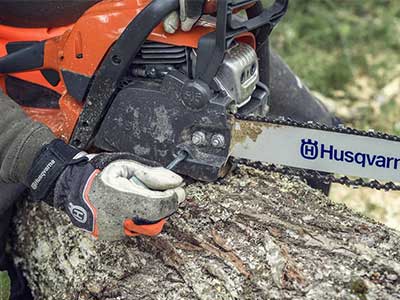
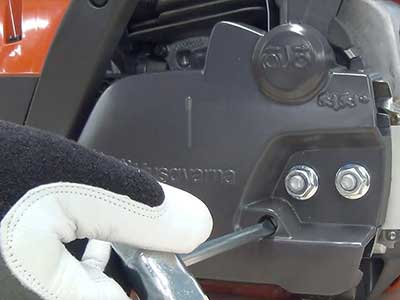
    • Tool-Less Chain Tensioning: Adjusting the chain tension is quick and easy, it does not require additional tools.

    Performance

    The 435’s 40.9cc engine delivers 2.2 HP (1.6 kW) of power, making it capable of handling most homeowner tasks with ease. The X-Torq® engine technology provides excellent fuel efficiency while reducing emissions by up to 75% compared to traditional two-stroke engines.

    • Cutting Power: The 40.9cc engine delivers 2.2 HP, providing ample power for cutting through softwoods like pine and hardwoods such as oak.
    • Efficiency: Equipped with X-Torq® engine technology, it reduces fuel consumption by up to 20% while lowering emissions.
    • Real-World Use: Performs consistently well even during prolonged sessions, maintaining power and speed without overheating.
    Wood Type Performance Rating Notes
    Softwood Excellent Cuts through pine and cedar with minimal effort
    Hardwood Good Handles oak and maple effectively, though at a slower pace
    Branches Very Good Ideal for limbing and pruning tasks

    Ease of Use

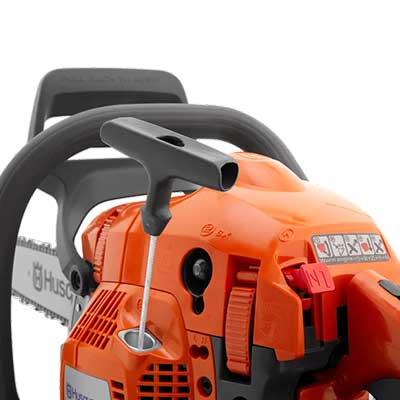
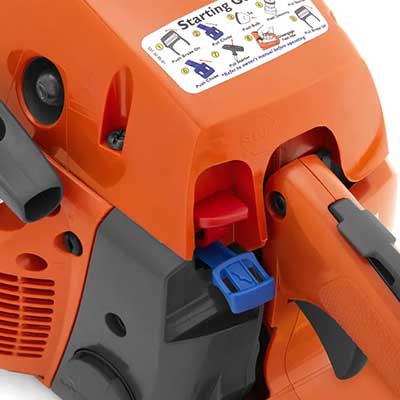
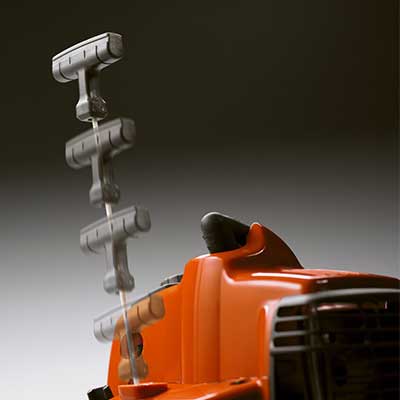
    • Starting Mechanism: Features a Smart Start® recoil system and decompression valve for effortless pull-starts.
    • Chain Adjustment: Tool-less chain tensioning allows for quick adjustments without needing additional tools.
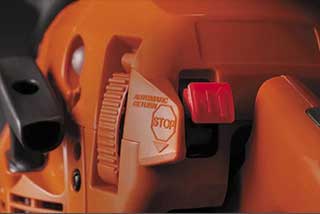
    • Safety Features: Includes an inertia-activated chain brake, low kickback bar, and throttle interlock for enhanced safety.

    Noise and Vibration Levels

    The Husqvarna 435 operates at a noise level of approximately 114 dB, which is standard for gas-powered chainsaws. Its anti-vibration system significantly reduces hand and arm strain, making it more comfortable for extended use compared to competitors.

    Maintenance and Durability

    • Maintenance: Requires regular chain sharpening, air filter cleaning, and spark plug replacement, all of which are straightforward tasks.
    • Durability: Built to withstand heavy use, with many users reporting years of reliable service with proper care.
    • Warranty: Comes with a 2-year warranty and access to Husqvarna’s customer support network.

    Value for The Money

    Priced competitively within its class, the Husqvarna 435 offers excellent value for homeowners and occasional users. While it may not match the raw power of professional-grade models, its combination of performance, durability, and user-friendly features makes it a worthwhile investment.
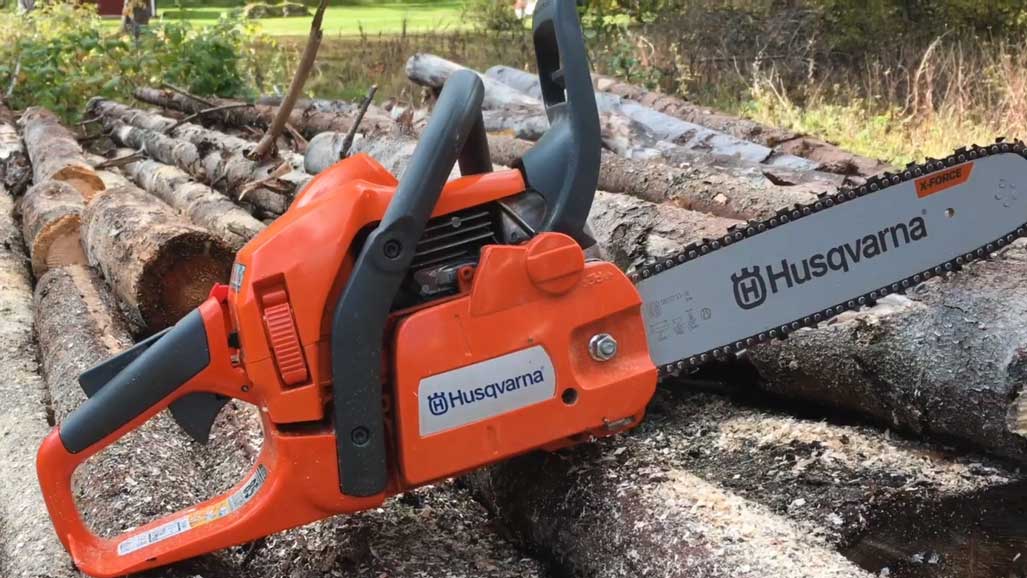
    HUSQVARNA 435Conclusion and Recommendation

    The Husqvarna 435 Chainsaw is an outstanding choice for homeowners and light-duty users seeking a reliable, efficient, and easy-to-use tool. It excels in versatility and comfort, though professionals may prefer more robust options. For best results, ensure regular maintenance and proper storage.

    Technical Specification

    Specification Metric Imperial
    Engine displacement 35.7 cc 2.18 cu in
    Power output 1.5 kW 2.0 HP
    Power-to-weight ratio 0.63 kg/kW
    Bar length 35 cm 14 inches
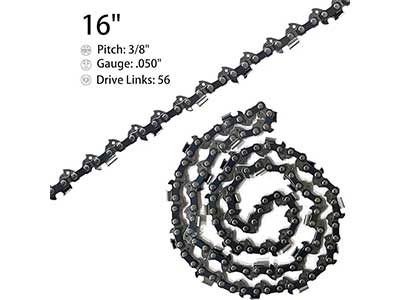
    Saw chain number of links 50 links
    Saw chain pitch 3/8 inch
    Weight without bar and chain 4.2 kg 9.26 lbs
    Fuel capacity 0.33 liters 11.1 ounces
    Noise level 110 dB(A)
    Vibration levels 2.5 m/s²

    Comparison Between Husqvarna 435 and Competitors

    Specification Husqvarna 435 Stihl MS 251 Echo CS-400
    Engine displacement 35.7 cc (2.18 cu in) 40.4 cc (2.46 cu in) 40.5 cc (2.47 cu in)
    Power output 1.5 kW (2.0 HP) 2.4 kW (3.3 HP) 2.3 kW (3.1 HP)
    Power-to-weight ratio 0.63 kg/kW 1.08 kg/kW 1.13 kg/kW
    Bar length 35 cm (14 inches) 40 cm (16 inches) 41 cm (16 inches)
    Saw chain number of links 50 links 56 links 56 links
    Saw chain pitch 3/8 inch 3/8 inch 3/8 inch
    Weight 4.2 kg (9.26 lbs) 5.8 kg (12.8 lbs) 5.4 kg (11.9 lbs)
    Fuel capacity 0.33 liters (11.1 ounces) 0.4 l (13.5 ounces) 0.4 l (13.5 ounces)
    Noise level 110 dB(A) 118 dB(A) 115 dB(A)
    Vibration levels 2.5 m/s² 2.6 m/s² 2.8 m/s²

    Pros and Cons

    Plus Pros Minus Cons
    Plus Lightweight and easy to maneuver Minus Limited Power
    Plus Excellent fuel efficiency Minus Limited suitability for heavy-duty commercial use
    Plus Advanced safety features Minus Requires regular maintenance

    HUSQVARNA 435How to Install the Chain and Bar

    1. Ensure the chain brake is disengaged by pulling the front hand guard backward
    2. Unscrew the bar nuts and remove the clutch cover
    3. Place the bar over the bar bolts and position it in its rearmost position
    4. Place the chain over the drive sprocket and into the bar groove
    5. Start at the bar nose and work backward, ensuring drive links are in the bar groove
    6. Replace the clutch cover and finger-tighten the bar nuts
    7. Adjust chain tension using the tensioning screw until chain slack is minimal
    8. Tighten bar nuts firmly while holding up the bar nose
    9. Check chain tension by pulling the chain – it should snap back when released
    10. Verify if the chain moves freely by hand with the brake disengaged

    How to Start the Chainsaw for the First Time

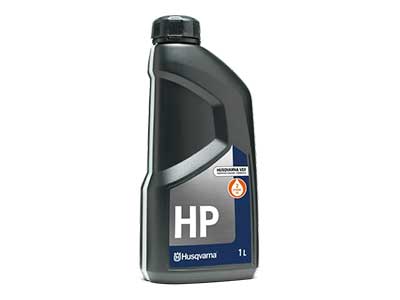
    1. Fill with fresh fuel mixture (50:1 ratio of gas to two-stroke oil)
    2. Fill the chain oil reservoir with bar and chain oil
    3. Set the master control lever to full choke position
    4. Press the primer bulb 5-6 times until fuel is visible
    5. Place the saw on level ground and ensure the chain isn’t touching anything
    6. Hold the front handle with your left hand and put your right foot through the rear handle
    7. Pull the starter cord firmly until the engine attempts to start
    8. Move choke to half position after first firing sound
    9. Pull the starter again until the engine runs
    10. Allow the engine to warm up at idle for 30 seconds before use

    Common Questions and Answers

    Q: How often should I sharpen the chain?

    A: Sharpen the chain when you notice if it requires more pressure to cut or produce sawdust instead of chips. Typically, this is every 5-10 hours of use.

    Q: What fuel mixture should I use?

    A: Use a 50:1 ratio of fresh unleaded gasoline to two-stroke oil (2.6 oz of oil per gallon of gas).

    Q: Why won’t my chainsaw start?

    A: Common causes include old fuel, a flooded engine, a dirty air filter, or an incorrect starting procedure. Check these elements first.

    Q: How do I know if the chain tension is correct?

    A: The chain should snap back when pulled and released, with about a 1/8-inch gap between the chain and bar bottom.

    Q: What’s the maximum bar length I can use?

    A: The Husqvarna 435 can accommodate bars from 13 to 18 inches, with 16 inches being the optimal bar length.

    Q: How often should I clean the air filter?

    A: Clean the air filter every 5-10 hours after using it, or more frequently in dusty conditions.

    Q: Why is my chain oiler not working

    A: Check for blocked oil ports, empty reservoirs, or adjustable oiler is set too low.

    Q: Can I use this saw for cutting large trees?

    A: While capable of felling small to medium trees, this saw is not ideal for large tree felling. Stick to trees under 16 inches in diameter.

    Q: How long will the saw run on a tank of fuel?

    A: A full tank typically provides 30-45 minutes of cutting time, depending on wood type and cutting intensity.

    Q: What’s the warranty coverage?

    A: Husqvarna provides a 2-year warranty for residential use covering manufacturing defects and certain wear items.
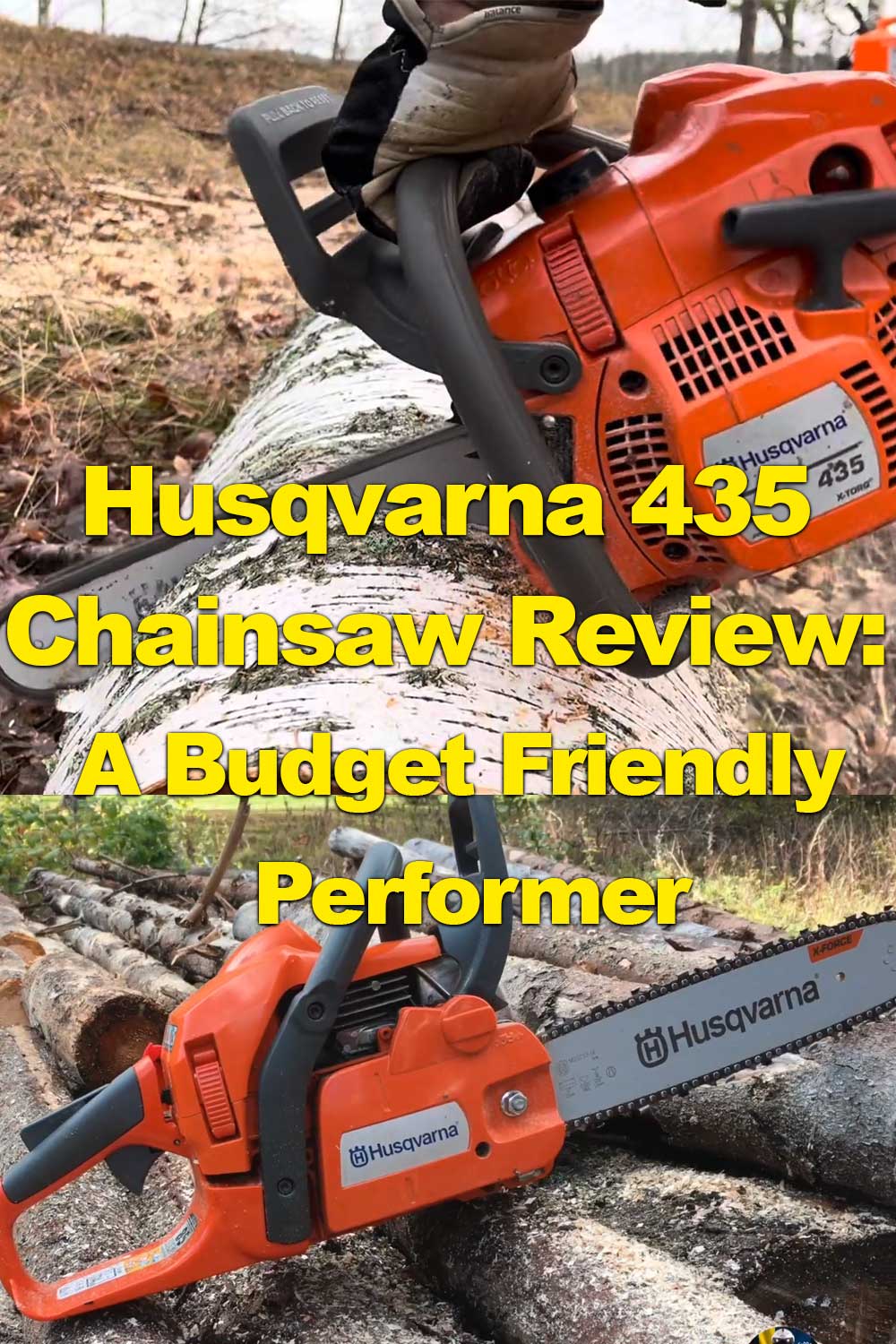
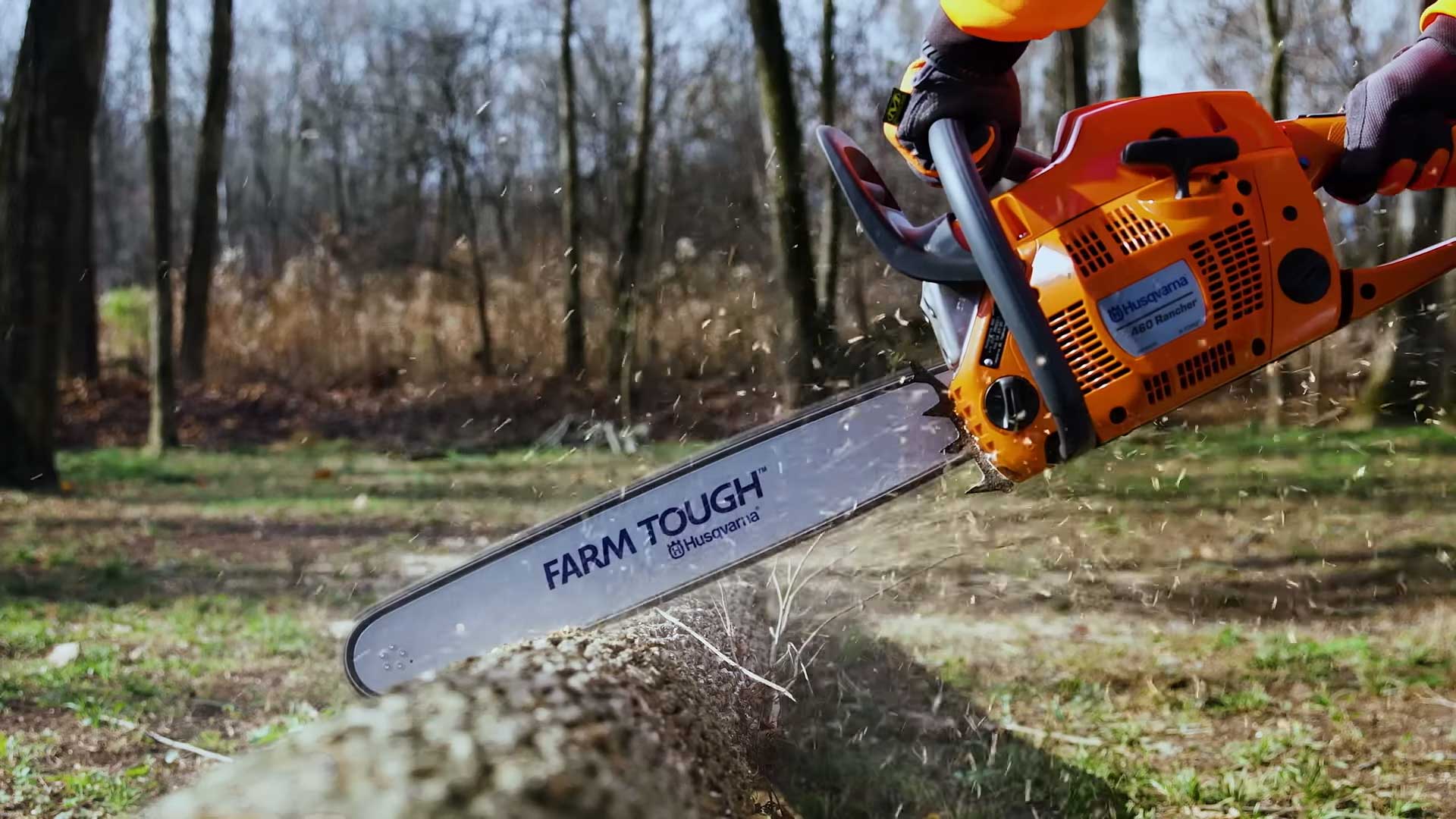
    HUSQVARNA 435

  • Why Pros and DIY Enthusiasts Love the Husqvarna 460 Rancher

    Why Pros and DIY Enthusiasts Love the Husqvarna 460 Rancher

    Why Pros and DIY Enthusiasts Love the Husqvarna 460 Rancher

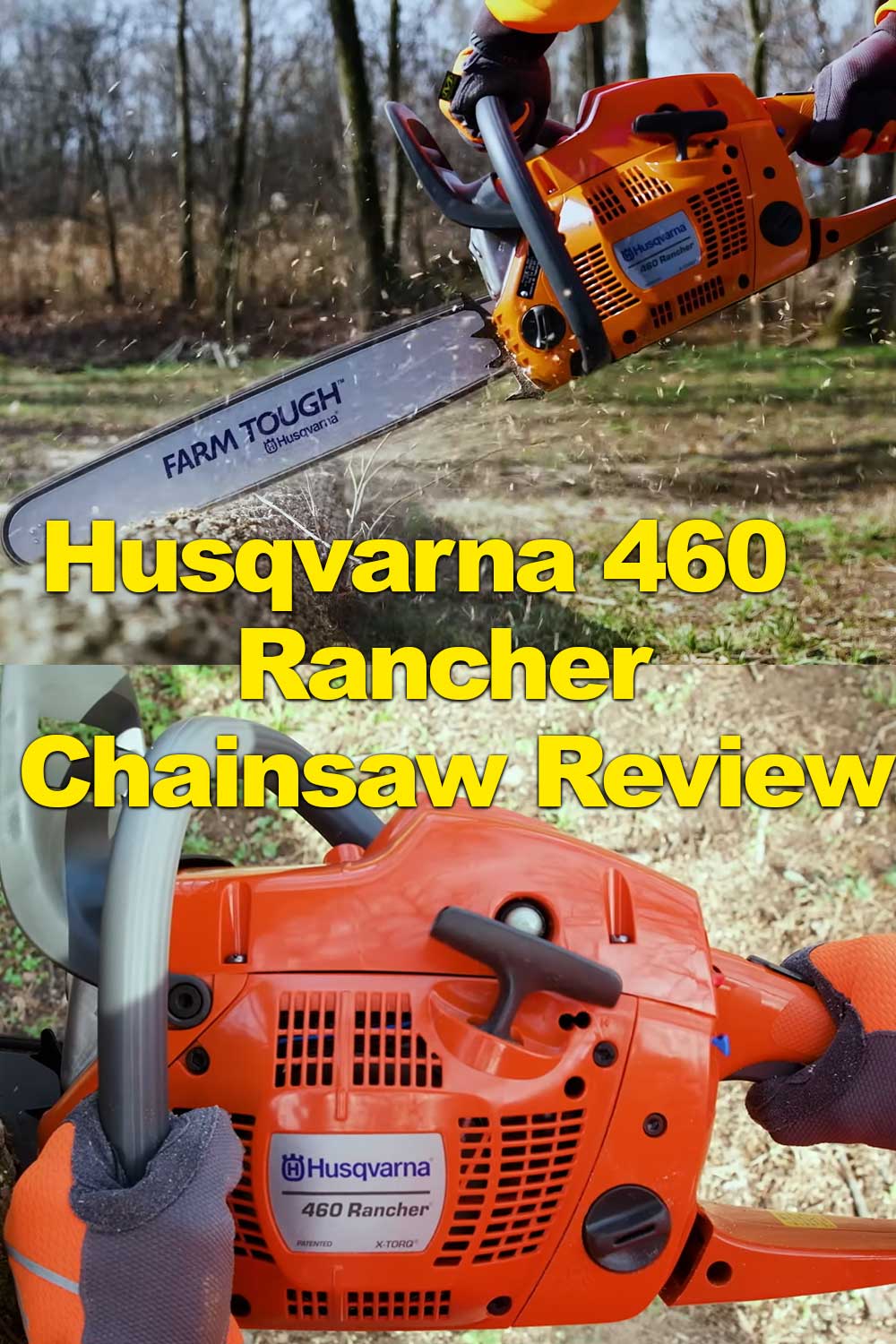
    The Husqvarna 460 Rancher is a high-performance gas chainsaw tailored for professionals and heavy-duty users tackling demanding tasks such as tree felling, firewood cutting, and extensive pruning. With its robust 60.3 cc engine, ergonomic design, and cutting-edge features, the 460 Rancher stands out as a versatile tool for forestry workers, arborists, and ambitious homeowners.

    Design and Build Quality

    The Husqvarna 460 Rancher boasts a rugged construction with premium materials designed for long-term durability. It features an ergonomic handle with anti-vibration technology, reducing operator fatigue during extended use. The weight distribution is well-balanced, despite its heavier profile, making it manageable for prolonged tasks and reducing user fatigue during extended use. The orange-and-gray design not only enhances visibility in outdoor environments but also reflects Husqvarna’s signature branding.

    Key design highlights:

    • Anti-Vibration System (LowVib® system): Minimizes hand and arm strain.
    • Handle Layout: Offers a secure, comfortable grip for precise control.
    • Build Quality: Engineered to withstand tough conditions while maintaining peak performance.
    • Side-mounted tensioning system: For easy chain adjustments
    • Transparent fuel tank: For quick fuel level checks.


    Performance

    Equipped with a 60.3cc engine delivering 3.6 horsepower, the 460 Rancher excels in cutting power. It efficiently handles tasks ranging from chopping hardwood logs to managing large-diameter trees. Real-world tests show the chainsaw can easily fall a 24-inch oak tree, maintaining consistent RPMs even under heavy loads. The adjustable oil pump and Air Injection™ centrifugal cleaning system enhance efficiency, prolonging engine and filter life.

    Performance metrics:

    • Cutting speed: Fast and efficient for heavy-duty jobs.
    • The X-Torq® engine technology boosts chainsaw performance and reduces fuel consumption and emissions, making it an environmentally friendly choice.
    • Smooth operation: Minimal vibration ensures clean, straight cuts.
    • Versatility: Suitable for felling, limbing, and bucking.

    Ease of Use

    • Despite its power, the Husqvarna 460 Rancher is surprisingly user-friendly.
    • Smart Start® system ensures easy starting even in cold conditions while the combined choke/stop control reduces the risk of engine flooding.
    • The Tool-less chain tensioning system allows for quick adjustments without additional tools,
    • The Air injection system keeps the air filter clean, reducing maintenance needs.
    • Whether you’re a beginner or a seasoned pro, to use this chainsaw is a joy.


    Safety Features

    Safety is a top priority with the Husqvarna 460 Rancher. It features an inertia-activated chain brake that stops the chain instantly in case of kickback, a throttle lock to prevent accidental acceleration, and a right-hand guard for added protection. These features make it a safe choice for both experienced users and those new to chainsaws.


    Technical Specifications for the Chainsaw:

    Specification Metric Imperial
    Engine Displacement 60.3 cc 3.68 cu in
    Power Output 3.62 kW 4.85 hp
    Fuel Tank Capacity 0.44 L 14.9 fl oz
    Oil Tank Capacity 0.32 L 10.8 fl oz
    Bar Length 50-60 cm 20-24 in
    Weight (Without Bar/Chain) 6.0 kg 13.2 lbs
    Chain Pitch 3/8 in 9.53 mm
    Chain Gauge 1.5 mm 0.058 in
    Sound Pressure Level 112 dB(A) 112 dB(A)
    Vibration Level (Front/Rear) 3.8/6.9 m/s² 3.8/6.9 m/s²

    Why Pros and DIY Enthusiasts Love the Husqvarna 460 Rancher

    Pros and Cons

    Plus Pros:

    • Powerful 60.3 cc engine for heavy-duty tasks.
    • Durable construction is suitable for heavy-duty use.
    • Ergonomic design with anti-vibration technology.
    • Easy-start system and user-friendly maintenance features.
    • Robust safety mechanisms for operator protection.

    Minus Cons:

    • Slightly heavy compared to competitors, requiring more physical effort.
    • Higher price point compared to entry-level chainsaws.
    • Noise levels are relatively high, requiring adequate ear protection.


    Comparison with Competitors

    Here’s the Comparison with Competitors table featuring the Husqvarna 460 Rancher, STIHL MS 261, Husqvarna 450, and Echo CS-490.


    Feature Husqvarna 460 Rancher STIHL MS 261 Husqvarna 450 Echo CS-490
    Engine Displacement 60.3 cc 50.2 cc 50.1 cc 50.2 cc
    Power Output 3.6 kW 3.0 kW 2.8 kW 2.9 kW
    Fuel Tank Capacity 0.77 L 0.50 L 0.55 L 0.69 L
    Oil Tank Capacity 0.42 L 0.26 L 0.26 L 0.35 L
    Bar Length 50 cm (20 in) 40 cm (16 in) 40 cm (16 in) 50 cm (20 in)
    Weight 6.4 kg (14.1 lbs) 5.2 kg (11.5 lbs) 5.4 kg (11.9 lbs) 5.5 kg (12.1 lbs)
    Chain Pitch 3/8 in 3/8 in 3/8 in 3/8 in
    Chain Gauge 1.5 mm (0.058 in) 1.3 mm (0.05 in) 1.3 mm (0.05 in) 1.5 mm (0.058 in)


    Key Takeaways from the Comparison

    1. The Husqvarna 460 Rancher has the largest engine displacement (60.3 cc) and the highest power output (3.6 kW), making it ideal for heavy-duty tasks.
    2. The STIHL MS 261 is lightweight (5.2 kg) and offers excellent performance but has a smaller fuel tank (0.50 L).
    3. The Husqvarna 450 is a more affordable option with similar specs to the STIHL MS 261 but slightly less power.
    4. The Echo CS-490 is the most budget-friendly and offers a good balance of power and features, though it’s slightly heavier than the STIHL and Husqvarna 450.


    Why Pros and DIY Enthusiasts Love the Husqvarna 460 Rancher

    Step-by-Step Instructions

    How to Set Up the Chain and Bar
    1. Place the chainsaw on a flat, stable surface and ensure the engine is off.
    2. Remove the side cover using the provided tool.
    3. Attach the guide bar to the mounting studs, aligning it with the tensioning pin.
    4. Loop the chain around the guide bar with cutting teeth facing forward on the top.
    5. Secure the chain to the drive sprocket and slide the bar into place.
    6. Replace the side cover and hand-tighten the nuts.
    7. Adjust the chain tension using the tensioning screw until snug but freely movable.
    8. Fully tighten the nuts and inspect the chain tension.

    Why Pros and DIY Enthusiasts Love the Husqvarna 460 Rancher


    First Start of the Chainsaw:

    1. Fill the fuel tank with a 50:1 gasoline-to-oil mixture.
    2. Fill the chain oil reservoir with bar and chain oil.
    3. Place the chainsaw on a flat surface and engage the chain brake.
    4. Set the choke to the “Start” position.
    5. Press the primer bulb 5-6 times to prime the engine.
    6. Hold the chainsaw firmly with one hand on the rear handle and the other on the front handle.
    7. Pull the starter cord slowly until you feel resistance, then give it a strong, quick pull to start the engine.
    8. Once the engine starts, disengage the choke and let the chainsaw warm up for 30 seconds.
    9. Release the chain brake and test the chain movement at idle.


    Most Common Questions and Answers

    Q: What type of fuel should I use for my gas chainsaw?
    A: Use a 50:1 gasoline-to-oil mixture (2.6 oz of 2-stroke oil per 1 gallon of gasoline).

    Q: How often should I sharpen the chainsaw chain?
    A: Sharpen the chain whenever it becomes dull or starts producing fine sawdust instead of wood chips.

    Q: Why is my chainsaw leaking oil?
    A: Oil leakage is often caused by overfilling the oil reservoir or storing the chainsaw incorrectly.

    Q: How do I know if my chain tension is correct?
    A: The chain should fit snugly against the bar but still be able to move freely by hand.

    Q: Can I use regular motor oil for the bar and chain lubrication?
    A: No, always use bar and chain oil specifically designed for chainsaws.

    Q: How do I clean my chainsaw after use?
    A: Remove debris from the chain, bar, and air filter. Wipe down the exterior with a damp cloth.

    Q: What should I do if my chainsaw won’t start?
    A: Check the fuel mixture, spark plug, and air filter. Ensure the choke is set correctly.

    Q: How do I store my chainsaw for long periods?
    A: Drain the fuel tank and run the engine until it stops. Clean the chainsaw thoroughly and store it in a dry, cool place.

    The Husqvarna 460 Rancher is reliable and built for professionals and dedicated DIYers tackling heavy-duty cutting tasks. While its weight and price may not suit casual users, its robust performance, ergonomic design, and safety features make it a top-tier choice for demanding jobs. If you’re seeking a long-lasting, high-performing chainsaw, the 460 Rancher is a worthwhile investment.

    Why Pros and DIY Enthusiasts Love the Husqvarna 460 Rancher

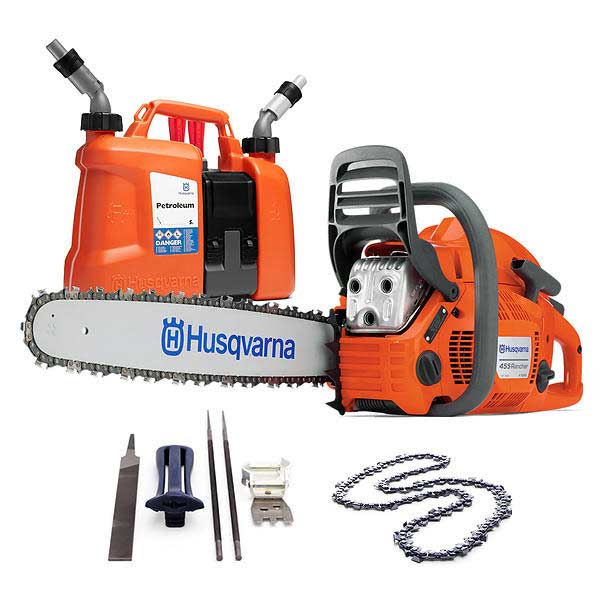
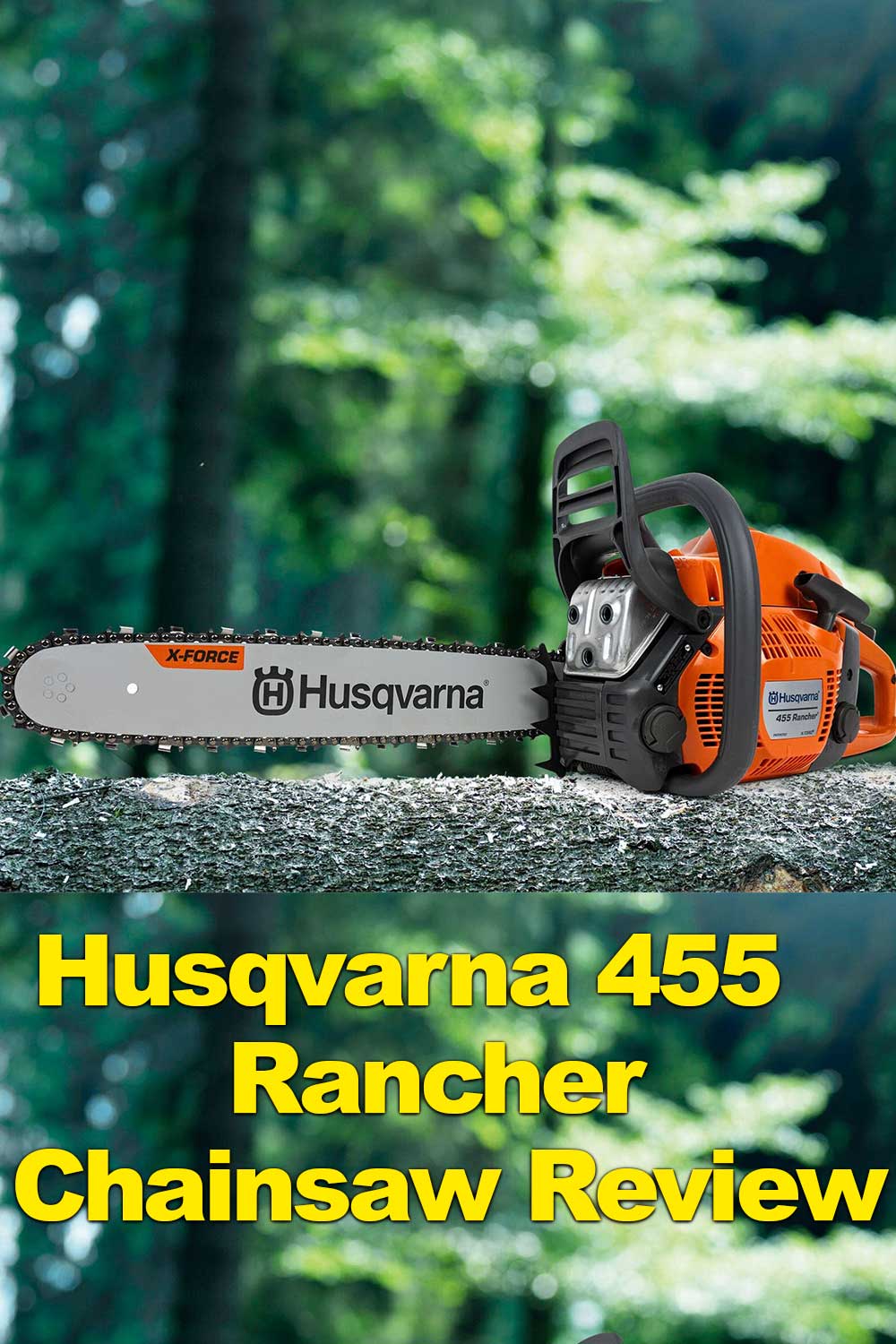
  • The Husqvarna 455 Rancher Review: A Reliable Workhorse for Woodcutters

    The Husqvarna 455 Rancher Review: A Reliable Workhorse for Woodcutters

    The Husqvarna 455 Rancher: A Reliable Workhorse for Woodcutters

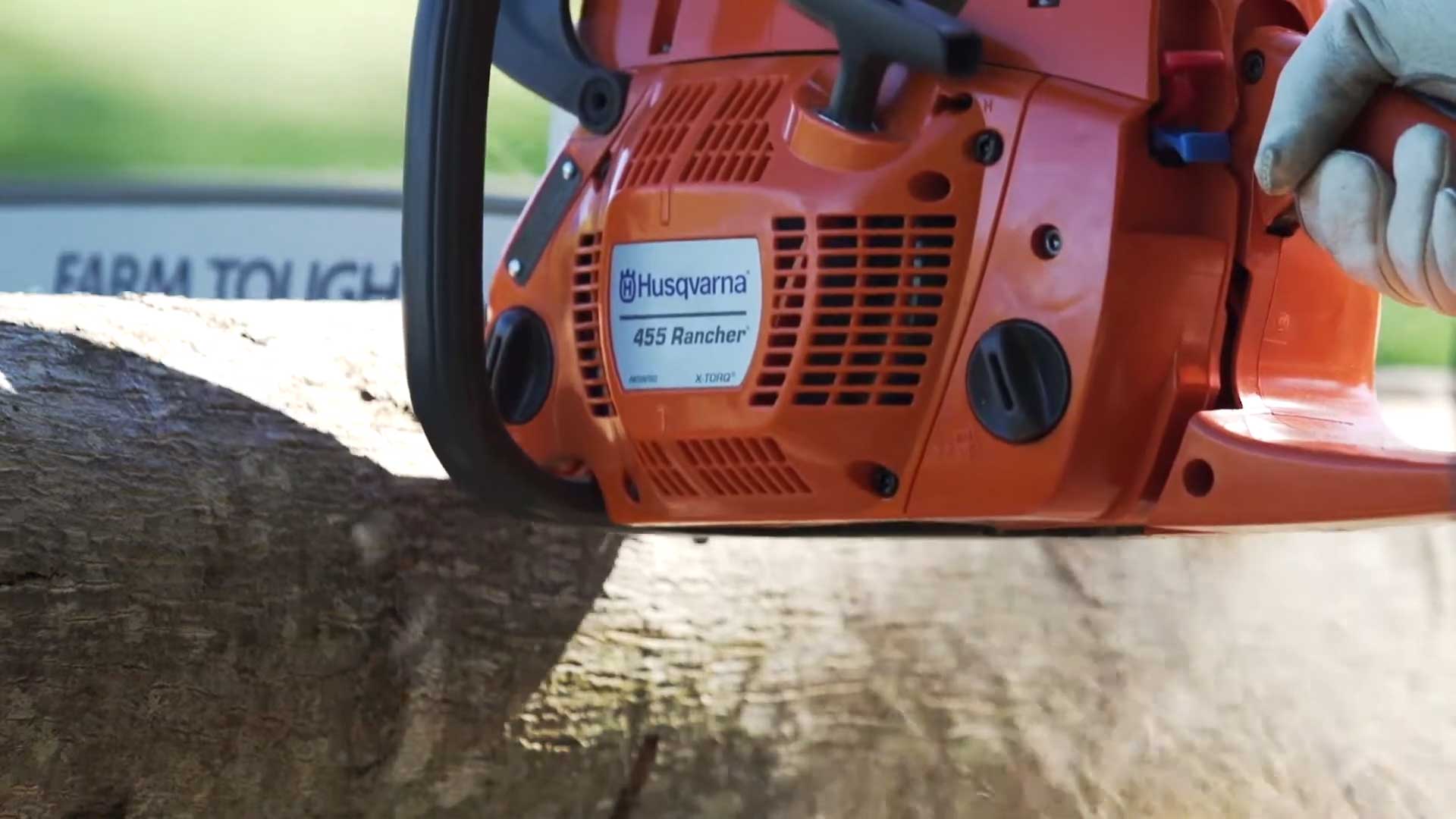
    The Husqvarna 455 Rancher is a mid-range gasoline chainsaw designed for landowners, property managers, and professionals who need a powerful and reliable tool for various woodcutting tasks. Its versatility and performance make it a standout in the crowded chainsaw market.

    Performance

    The Husqvarna 455 Rancher is powered by a 55.5cc X-Torq® engine that delivers 3.5 horsepower, providing ample power for firewood cutting, storm cleanup, and felling small to medium trees. This chainsaw excels in:
    • Cutting Efficiency: The 18-20 inch bar length is easily suitable for hardwoods like oak or softer woods like pine.
    • Handling in Challenging Conditions: Whether pruning or performing heavy-duty logging, the low-vibration technology and ergonomic design ensure better control and less fatigue.
    • Durability in Prolonged Use: Its rugged build handles extended use without overheating or losing efficiency.

    Design and Build Quality

    The Husqvarna 455 Rancher stands out for its exceptional build quality:

    • Ergonomics: The slim, balanced design minimizes strain, even during extended sessions. Its anti-vibration dampeners reduce stress on hands and arms.
    • Durability: Built with premium materials, the chainsaw withstands harsh environments, whether you’re working in damp conditions or rugged terrain.
    • Weight Balance: Weighing approximately 5.8 kg (12.8 lbs), it’s neither too heavy for casual users nor too light for demanding tasks.
    Key Features

    Feature Description
    X-Torq Engine Reduces fuel consumption and emissions while delivering consistent power.
    Smart Start Engine and starter design ensures smooth and quick starts with minimal effort.
    Air Injection Centrifugal air cleaning system keeps the engine running longer between filter cleanings.
    Adjustable Oil Pump Lets users customize oil flow for different bar lengths and cutting conditions.

    Fuel Efficiency and Maintenance

    The Husqvarna 455 Rancher offers excellent fuel economy and is easy to maintain:

    • Fuel Efficiency: Consumes less fuel per hour compared to older models while maintaining robust performance.
    • Maintenance: The user-friendly design makes routine tasks like chain tensioning, air filter cleaning, and spark plug replacement straightforward.
    • Bar and Chain Lubrication: The automatic adjustable oil pump ensures consistent lubrication, prolonging the life of the bar and chain.

    User Experience

    This chainsaw is built for both professionals and casual users:

    • Noise Levels: Operates at around 104 dB, which is typical for gasoline chainsaws but quieter than some competitors.
    • Ease of Use: Designed with intuitive controls and excellent balance for easier handling.
    • Reliability: Proven to perform consistently in demanding tasks, making it a reliable companion for years.

    Comparison to Competitors

    Brand/Model Power Output Weight Bar Length Price Range
    Husqvarna 455 Rancher 3.5 HP 12.8 lbs 18-20 inch $450-$550
    Stihl MS 271 3.49 HP 12.3 lbs 16-20 inch $420-$500
    Echo CS-590 3.89 HP 13.2 lbs 18-20 inch $400-$500

    While the Stihl MS 271 is slightly lighter, the Husqvarna 455 Rancher offers a more advanced air filtration system and adjustable oil pump. The Echo CS-590 edges ahead in power but sacrifices fuel efficiency.

    Strengths and Weaknesses

    Strengths:
    • Powerful engine with reduced emissions.
    • Durable and ergonomic design.
    • Advanced features like Smart Start and Air Injection.

    Weaknesses:
    • Heavier than some competitors.
    • Noise levels might be high for casual users.

    Recommendation: The Husqvarna 455 Rancher is ideal for property owners, land managers, and professionals who need a reliable and versatile chainsaw for medium to heavy-duty tasks.

    Technical Specifications

    Specification Metric Imperial
    Engine Displacement 55.5 cm3 3.39 cu. in.
    Power Output 2.6 kW 3.5 hp
    Maximum Power Speed 9,000 RPM 9,000 RPM
    Fuel Tank Volume 440 ml 14.88 fl. oz.
    Oil Tank Volume 320 ml 10.82 fl. oz.
    Bar Length (Recommended) 38-50 cm 15-20 in.
    Chain Pitch 8.25 mm 0.325 in.
    Weight (Excl. Cutting Equipment) 5.8 kg 12.79 lbs
    Sound Pressure Level at Operator’s Ear 104 dB(A) 104 dB(A)
    Sound Power Level (Guaranteed) 114 dB(A) 114 dB(A)
    Vibration Level (Front Handle) 3.4 m/s2 3.4 m/s2
    Vibration Level (Rear Handle) 4.5 m/s2 4.5 m/s2

    The Husqvarna 455 Rancher ReviewInstallation and Operation Guide

    Installing the Bar and Chain:
    1. Unpack the Chainsaw: Remove all packaging and ensure the components are present.
    2. Position the Bar: Place the bar onto the mounting studs.
    3. Fit the Chain: Loop the chain around the bar and sprocket, ensuring the sharp edges face forward.
    4. Adjust Tension: Use the tensioning screw to set the chain tension; it should move freely but not sag.
    5. Secure the Cover: Tighten the bar nuts to secure the cover firmly.

    Adding Chain Oil and Fuel Mixture:
    1. Prepare Fuel Mixture: Mix unleaded gasoline with 2-stroke oil at a 50:1 ratio.
    2. Pour Fuel: Open the fuel cap and carefully pour the mixture into the fuel tank.
    3. Add Chain Oil: Open the oil reservoir cap and fill it with chain oil.

    Starting the Chainsaw:
    1. Activate Chain Brake: Push the chain brake forward for safety.
    2. Prime the Engine: Press the primer bulb 6 times.
    3. Set the Choke: Move the choke to the “closed” position.
    4. Pull the Starter Cord: Pull firmly until the engine fires.
    5. Run the Engine: Move the choke to “open” and pull again to start the engine fully.

    Top 10 Chainsaw Questions

    1. How often should I sharpen the chain?
    A: Every 3-5 hours of cutting or when performance decreases.
    2. What’s the correct fuel mixture ratio?
    A: 50:1 gasoline to 2-stroke oil.
    3. How do I adjust chain tension?
    A: Use the tensioning screw while lifting the bar tip slightly.
    4. How long does the chain oil last?
    A: Approximately one tank of chain oil per fuel tank.
    5. Can I use vegetable oil for lubrication?
    A: It’s possible but not recommended for extended use.
    6. What’s the warranty period?
    A: Typically 2 years, extendable with proper registration.
    7. How do I clean the air filter?
    A: Remove, wash with soapy water, dry, and replace.
    8. Why does the chainsaw smoke?
    A: Likely caused by an incorrect fuel mix or poor ventilation.
    9. What is the recommended bar length?
    A: 18-20 inches for optimal performance.
    10. How do I store the chainsaw long-term?
    A: Drain fuel, clean the components, and store in a dry place.

    Advanced Maintenance Tips for Husqvarna 455 Rancher

    1. Chain Sharpening Best Practices:

    • Use a round file of the correct diameter (usually 7/32″ 5.5 mm for this model).
    • Sharpen each cutter uniformly for optimal cutting performance.
    • Check depth gauges periodically and file them down as needed.

    2. Bar Maintenance:

    • Regularly clean the guide bar groove to prevent debris buildup.
    • Flip the bar periodically to ensure even wear.
    • Inspect for burrs on the edges and file them smoothly to avoid chain damage.

    3. Air Filter Care:

    • Clean the air filter after every 5 hours of operation or sooner in dusty conditions.
    • Replace the air filter if cleaning doesn’t restore full airflow.

    4. Spark Plug Replacement:

    • Inspect the spark plug every 25 hours of operation.
    • Replace it if the electrode is worn or the gap is incorrect (the recommended gap is 0.5 mm / 0.02 in).

    Safety Protocols for Chainsaw Operation

    1. Personal Protective Equipment (PPE):

    • Always wear safety goggles, ear protection, gloves, steel-toed boots, and chainsaw chaps.
    • Use a helmet with a face shield for heavy-duty tasks.

    2. Safe Starting Practices:

    • Start the chainsaw on a flat surface with the chain brake engaged.
    • Never “drop start” or start the chainsaw while holding it in the air.

    3. Safe Cutting Techniques:

    • Maintain a firm grip with both hands on the saw at all times.
    • Stand to the side of the chainsaw to avoid the cutting plane.
    • Avoid overreaching or cutting above shoulder height.

    4. Kickback Prevention:

    • Use the chainsaw’s tip guard to minimize the risk of kickback.
    • Keep the chain sharp and tensioned to reduce the likelihood of accidents.

    5. Emergency Procedures:

    • Familiarize yourself with the chain brake and know how to engage it quickly.
    • Keep a first aid kit and a fire extinguisher nearby during prolonged cutting tasks.

    Enhancing Longevity and Performance

    • Storage: After each use, clean the chainsaw thoroughly, drain fuel if storing for over a month, and keep it in a dry, secure location.
    • Seasonal Adjustments: Adjust the carburetor settings in extremely cold or hot conditions to maintain peak performance.
    • Bar and Chain Selection: Use genuine Husqvarna bars and chains for the best compatibility and durability.


    The Husqvarna 455 Rancher Review

    The Husqvarna 455 Rancher strikes an excellent balance between power, durability, and user-friendly features. Whether you’re a homeowner managing your property or a professional tackling demanding tasks, this chainsaw provides the performance you need with the reliability you expect from Husqvarna.

  • Husqvarna 450 Rancher Chainsaw Review Precision and Power Perfected

    Husqvarna 450 Rancher Chainsaw Review Precision and Power Perfected

     Husqvarna 450 Rancher Chainsaw Review Precision and Power Perfected

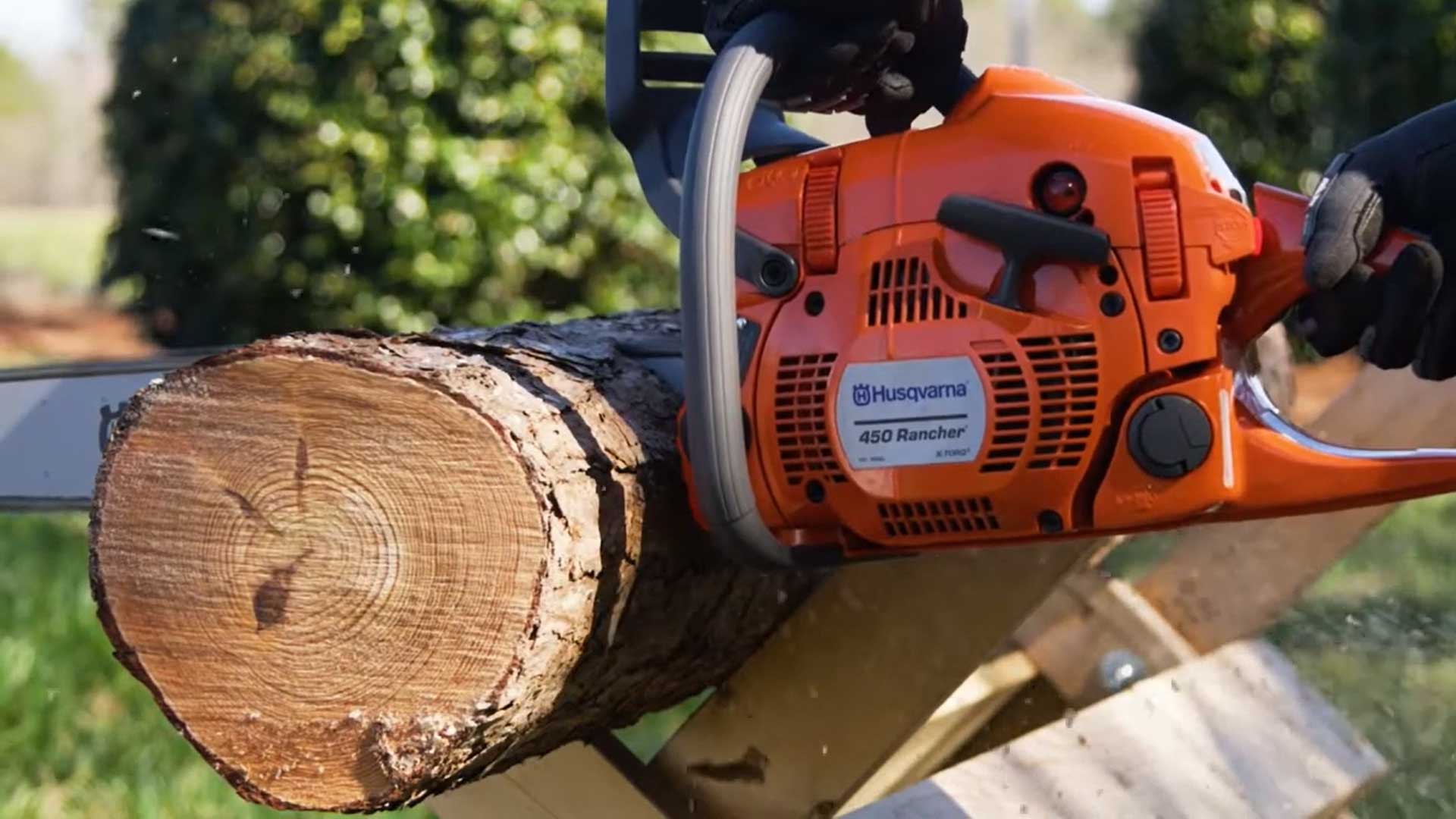
    The Husqvarna 450 Rancher is a versatile, high-performance gasoline chainsaw designed for homeowners, landowners, and professionals. Equipped with innovative features, this midsize model combines power, efficiency, and ease of use, making it ideal for pruning, firewood cutting, and even medium-duty logging tasks.

    Performance

    The 450 Rancher is powered by a 50.2cc X-Torq engine, delivering 3.2 horsepower. Its cutting efficiency is outstanding, particularly with hardwoods like oak and maple, and it handles softwoods effortlessly. The chainsaw performs well in challenging environments, from damp woods to heavy-duty log cutting. Its ergonomic design ensures precise control and minimal fatigue, whether you’re tackling large branches or felling medium-sized trees.
     Husqvarna 450 Rancher Chainsaw

    Design and Build Quality

    The Husqvarna 450 Rancher boasts excellent build quality with durable materials that ensure longevity. The chainsaw’s balanced weight distribution, combined with its low-vibration technology, reduces user strain, making it comfortable for extended use. The rubberized grip is well-designed, offering a secure hold even in wet or cold conditions.

    Features

    The 450 Rancher incorporates several cutting-edge features:
    • X-Torq Engine: Reduces emissions and improves fuel efficiency.
    • Smart Start Technology: Ensures quick and easy starts, minimizing the pull force required.
    • Air Injection System: Keeps the air filter clean for longer, enhancing performance.
    • Adjustable Oil Pump: Allows users to control oil flow based on the task and conditions.

    Fuel Efficiency and Maintenance

    Fuel consumption is impressively low, thanks to the X-Torq engine. The automatic bar and chain lubrication system ensures smooth operation. Maintenance is straightforward with easy access to the chain tensioner, air filter, and spark plug. This makes routine upkeep manageable for both novice and experienced users.

    User Experience

    The Husqvarna 450 Rancher is easy to operate, even for those new to chainsaws. Noise levels are moderate for its class, and its reliability during extended use is commendable. Whether you’re a weekend warrior or a seasoned professional, this chainsaw delivers consistent performance.

    Comparison

    Compared to competitors like the Stihl MS 271 Farm Boss and Echo CS-590 Timber Wolf, the 450 Rancher offers a balanced mix of power, ease of use, and affordability. While the Stihl excels in professional-grade durability, and the Echo in raw power, the Husqvarna strikes an excellent middle ground, appealing to a broader audience.

    Technical Specifications


    Feature Specification (Metric) Specification (Imperial)
    Engine Displacement 50.2 cc 3.06 cu. in.
    Power Output 2.4 kW 3.2 hp
    Bar Length 38-50 cm 15-20 in.
    Weight (Without Cutting Equipment) 5.1 kg 11.24 lbs.
    Fuel Tank Volume 0.45 liters 15.2 fl. oz.
    Oil Tank Volume 0.26 liters 8.8 fl. oz.
    Chain Pitch 0.325 in. 0.325 in.

    Strengths and Weaknesses

    Strengths:

    • Powerful engine with excellent cutting efficiency.
    • Lightweight and ergonomic for extended use.
    • Low fuel consumption and emissions.
    • Easy maintenance and user-friendly features.

    Weaknesses:

    • Slightly higher noise levels compared to electric models.
    • May struggle with very large, heavy-duty logging tasks.

    Ideal Users

    The Husqvarna 450 Rancher is perfect for homeowners, property owners, and semi-professional users who need a reliable, versatile chainsaw for regular tasks.

    10 Common Questions About Chainsaws

    1. What size chainsaw do I need for cutting firewood?
    A 16-20 inch bar is ideal for cutting firewood.
    2. How do I maintain my chainsaw chain?
    Regularly clean, sharpen, and oil the chain. Check tension before each use.
    3. What fuel does a Husqvarna 450 Rancher use?
    A mix of unleaded gasoline and 2-stroke oil (50:1 ratio).
    4. How often should I replace the chainsaw chain?
    Replace when it’s overly worn or damaged, usually after multiple sharpenings.
    5. Can I use a longer bar on the 450 Rancher?
    Yes, it supports up to a 20-inch bar.
    6. How do I start a cold chainsaw?
    Use the choke and Smart Start system for easier ignition.
    7. Is the Husqvarna 450 Rancher suitable for beginners?
    Yes, its Smart Start and ergonomic features make it beginner-friendly.
    8. How can I reduce chainsaw vibration?
    Ensure proper maintenance and use low-vibration chains like those on the 450 Rancher.
    9. What is the lifespan of a Husqvarna chainsaw?
    With proper care, it can last 10+ years.
    10. How do I store a chainsaw long-term?
    Drain the fuel, clean the saw, and store it in a dry, safe place.

    The Husqvarna 450 Rancher is a powerhouse of reliability and precision, making it a worthy investment for any user seeking high performance and durability.

  • Husqvarna 135 Mark II Review: A Chainsaw Built for Every Job, Big or Small

    Husqvarna 135 Mark II Review: A Chainsaw Built for Every Job, Big or Small

    Husqvarna 135 Mark II Review: A Chainsaw Built for Every Job, Big or Small

    Husqvarna’s Legacy of Excellence

    Husqvarna, a name synonymous with quality and innovation, has been a leader in outdoor power equipment for centuries. Founded in Sweden in 1689, the company has evolved from manufacturing rifles to producing some of the world’s most trusted chainsaws. Husqvarna’s reputation is built on a commitment to durability, cutting-edge technology, and user-centric designs. For professional arborists and casual users alike, Husqvarna chainsaws are often the gold standard.
    Among its extensive lineup, the Husqvarna 135 Mark II stands out as a versatile and dependable choice for light to medium-duty tasks. Whether you’re pruning trees, cutting firewood, or tackling occasional property maintenance, this model promises a seamless blend of power, precision, and ease of use.

    Performance

    The Husqvarna 135 Mark II features a 38cc X-Torq® engine, delivering reliable power for a range of applications. This engine produces lower emissions and better fuel efficiency without compromising cutting performance. It’s particularly adept at handling softwoods like pine and fir but also holds its own against tougher hardwoods such as oak and maple.
    For pruning, the chainsaw offers excellent maneuverability, while its 16-inch bar length ensures sufficient reach for cutting thicker branches or medium-sized logs. In challenging conditions, such as damp or frozen wood, the 135 Mark II’s power output remains consistent, a testament to its robust design.

    Husqvarna 135 Mark II Review

    Specification Details (Metric) Details (Imperial)
    Power Output 1.6 kW 2.1 hp
    Engine Displacement 38 cm³ 2.3 in³
    Weight (without cutting equipment) 4.7 kg 10.4 lbs
    Bar Length 35-40 cm 14-16 in
    Fuel Tank Volume 0.37 liters 12.5 fl oz
    Oil Tank Volume 0.25 liters 8.5 fl oz
    Engine Technology X-Torq
    Starting System Smart Start
    Air Injection System Yes

    Design and Build Quality

    Durability and ergonomics are hallmarks of Husqvarna chainsaws, and the 135 Mark II is no exception. Constructed with high-quality materials, it feels solid without being overly heavy. At just 4.7 kg (10.36 lbs), it strikes a perfect balance between sturdiness and portability, reducing fatigue during prolonged use.
    The saw’s ergonomic grip and low-vibration technology enhance user comfort. Whether you’re a novice or a seasoned operator, the well-thought-out design minimizes strain, making it suitable for extended sessions. Additionally, the saw’s streamlined body improves balance and control, ensuring precision cuts.

    Features

    The Husqvarna 135 Mark II is packed with features designed to enhance performance and ease of use:

    1. X-Torq Engine: Reduces fuel consumption and emissions, meeting environmental regulations while saving on operating costs.
    2. Smart Start Technology: Simplifies starting, with a specially designed starter and reduced resistance in the pull cord.
    3. Air Injection System: Uses centrifugal air cleaning to remove larger dust and debris particles before reaching the air filter, reducing maintenance frequency and extending engine life.
    4. Adjustable Oil Pump: Allows users to control oil flow to the chain, optimizing performance based on the task and environmental conditions.
    5. Fuel Efficiency and Maintenance

    The 135 Mark II’s fuel-efficient X-Torq engine ensures longer run times on a single tank, making it cost-effective for property owners and occasional users. The automatic bar and chain lubrication system maintains optimal performance without excessive manual intervention.
    Routine maintenance is straightforward, thanks to user-friendly design elements. The chain tensioning system is accessible and simple, while the snap-lock cylinder cover allows for quick access to the air filter and spark plug. These features make upkeep manageable even for those new to chainsaw maintenance.

    User Experience

    Noise levels for the 135 Mark II are moderate, making it a comfortable option for residential areas. It operates with minimal kickback, improving safety, especially for beginners. During extended use, the saw remains reliable, showcasing Husqvarna’s commitment to engineering excellence.
    The 135 Mark II is best suited for homeowners, landowners, and occasional users who need a dependable tool for light to medium-duty tasks. While it may not cater to the high demands of professional logging, its performance and features provide excellent value within its category.

    Comparison

    When compared to competitors like the Stihl MS 170 or the Echo CS-310, the Husqvarna 135 Mark II stands out for its superior ergonomic design and maintenance-friendly features. While the Stihl MS 170 offers comparable power, it lacks the advanced air injection system and adjustable oil pump found in the Husqvarna model. Echo’s CS-310, though slightly lighter, falls short in vibration control and overall durability.

    Summary


    Strengths:

    • Reliable X-Torq engine with low emissions and fuel efficiency
    • Ergonomic design with low-vibration technology
    • Smart Start system for hassle-free operation
    • Durable build with easy maintenance features

    Weaknesses:

    • Limited bar length options for larger tasks
    • Less suited for professional-grade logging


    The Husqvarna 135 Mark II is an ideal choice for homeowners, hobbyists, and landowners seeking a dependable and user-friendly chainsaw. Its blend of performance, design, and features ensures it’s ready for any light to medium-duty challenge.

    10 Most Common Chainsaw Questions and Answers

    1. How do I choose the right chainsaw size?
    Consider the type of work you’ll be doing. For light pruning, a 12-14 inch bar is sufficient. For larger logs, opt for a 16-20 inch bar.
    2. How often should I sharpen the chain?
    Sharpen the chain every 5-10 hours of use or when you notice reduced cutting efficiency.
    3. What type of fuel does the Husqvarna 135 Mark II use?
    It uses a 50:1 mix of unleaded gasoline and 2-stroke engine oil.
    4. How do I maintain proper chain tension?
    Adjust the chain so it’s snug against the bar but still moves freely when pulled by hand.
    5. Why is my chainsaw hard to start?
    Check the fuel mixture, spark plug, and air filter. Using the Smart Start feature on the Husqvarna 135 Mark II can also help.
    6. How do I clean the air filter?
    Remove the cover, take the filter out, and clean it with compressed air or mild soap and water.
    7. What is kickback, and how can I prevent it?
    Kickback occurs when the chain’s tip contacts the wood at a certain angle. Use a chain with a low kickback and maintain a firm grip.
    8. How long should a chainsaw last?
    With proper maintenance, a quality chainsaw like the Husqvarna 135 Mark II can last 10-20 years.
    9. Can I use a longer chain bar on my Husqvarna 135 Mark II?
    This model supports up to a 16-inch bar. Using a longer bar may strain the engine.
    10. How do I store my chainsaw when not in use?
    Drain the fuel, clean the bar and chain, and store it in a dry place with the bar cover on.

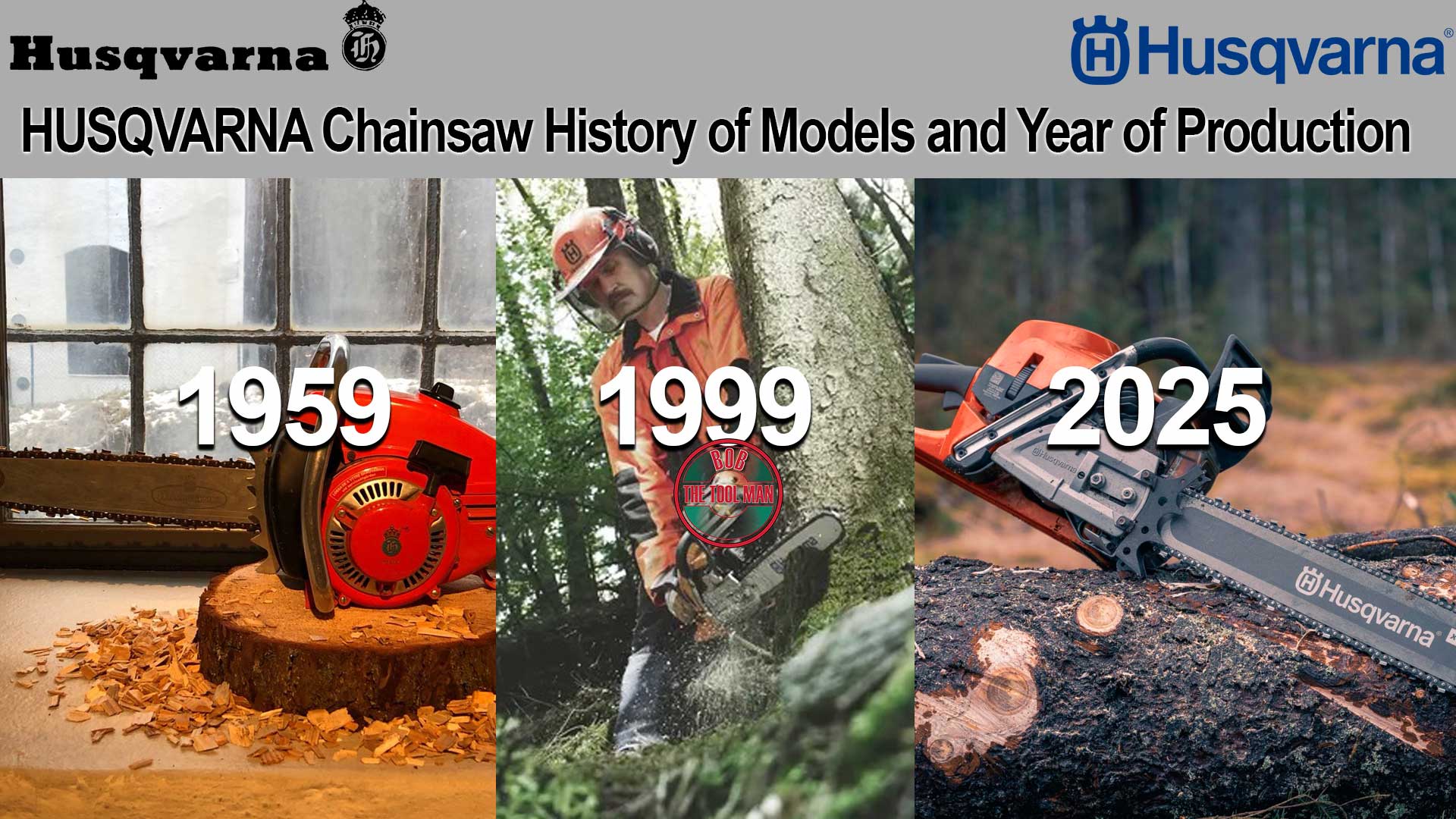
  • HUSQVARNA Chainsaw History of Models and Year of Production

    HUSQVARNA Chainsaw History of Models and Year of Production

    HUSQVARNA Chainsaw History of Models and Year of Production From 1959 to 2025

    The Evolution of Husqvarna Chainsaws: A Journey Through History

    Husqvarna, a name synonymous with quality and innovation in the outdoor power equipment industry, has a rich history that dates back to the 17th century. Originally established as a firearms manufacturer in Sweden, Husqvarna has transformed into a leading producer of chainsaws and other outdoor tools. This blog post explores the fascinating journey of Husqvarna chainsaws, highlighting key innovations and notable models.

    Early Beginnings: 1689 – 1950s

    The Founding Years

    – 1689: Husqvarna was founded in the small town of Huskvarna, Sweden. Initially, the company produced muskets for the Swedish Army.
    – 1800s: As the demand for firearms declined, Husqvarna diversified its production, eventually venturing into sewing machines, motorcycles, and kitchen equipment.

    Entry into Chainsaws

    1950s: Husqvarna entered the chainsaw market, recognizing the growing demand for efficient logging equipment. The first chainsaw, the **Husqvarna 90**, was launched in 1959. It was a significant step in evolving portable saws, designed to be lightweight and easy to use.

    Key Innovations and Milestones

    1960s – 1970s: Pioneering Technology
    1960: The introduction of the **Husqvarna 180** marked a shift towards more powerful and versatile chainsaws, catering to both professional and home users.
    1970s: Husqvarna began incorporating advanced technology, such as the **AutoTune** system, which automatically adjusts the engine for optimal performance, enhancing fuel efficiency and reducing emissions.

    1980s – 1990s: User-Centric Designs

    1982: The launch of the Husqvarna 266 showcased improvements in ergonomics and safety features, making it easier for users to operate the chainsaw for extended periods.
    1995: The Husqvarna 365 was introduced, designed for demanding professional use, featuring a powerful engine and advanced vibration-dampening technology.

    2000s: Embracing Environmental Responsibility

    2002: Husqvarna introduced the X-Torq engine technology, which reduced fuel consumption and emissions by up to 75%. This innovation reflected the company’s commitment to sustainability.
    2004: The Husqvarna 445 and Husqvarna 450 models were launched, featuring lightweight designs and improved power-to-weight ratios, making them popular among homeowners and professionals.

     2010s: Smart Technology Integration

    2012: The Husqvarna 572 XP was released, designed for professional loggers and arborists. It featured an innovative air injection system that improved performance in dusty conditions.
    – 2017: Husqvarna introduced the Husqvarna 550 XP Mark II, which boasted enhanced cutting performance and better fuel efficiency, catering to the needs of professional users.

    Recent Developments: 2020s and Beyond

    Continued Innovation

    2021: Husqvarna launched the Husqvarna 120i and Husqvarna 320i models, marking the company’s commitment to battery-powered technology. These models provide a quieter, more environmentally friendly option for users.
    2023: The introduction of the Husqvarna 540i XP further emphasized the shift towards battery-powered chainsaws, offering professional-grade performance with reduced emissions.

    Conclusion

    Husqvarna’s journey from a firearms manufacturer to a leader in chainsaw technology is a testament to its commitment to innovation and quality. With a strong focus on user experience, environmental responsibility, and cutting-edge technology, Husqvarna continues to set the standard for chainsaws. Whether you’re a professional logger or a weekend warrior, Husqvarna offers a range of models designed to meet your needs, ensuring that their legacy of excellence endures.

    Notable Models Summary
    – Husqvarna 90  (1959)
    – Husqvarna 180 (1960)
    – Husqvarna 266 (1982)
    – Husqvarna 365 (1995)
    – Husqvarna 445/450 (2004)
    – Husqvarna 572 XP (2012)
    – Husqvarna 550 XP Mark II (2017)
    – Husqvarna 120i/320i (2021)
    – Husqvarna 540i XP (2023)

    Husqvarna Chainsaw Models (Chart)

    Manufactured By Chainsaw Model(s) Chainsaw Purpose Power ccm and (cu. in.)  (HP – KW) Weight (kg and lbs.) Year Introduced Year Discontinued
    Husqvarna 22 General Use 34.4 ccm (2.1 cu. in.) 2.77 kg (6 lbs. 11 ounces) 1973 1978
    Husqvarna 23 General Use 38 ccm (2.3 cu. in.) 4 kg (8.8 lbs.) 1982 No Data
    Husqvarna 32 Professional Use 2ccm (2.0 cu. in.) 4.8 kg (10.58 lbs.) 1975 1981
    Husqvarna 33 Professional Use 34ccm (2.1 cu. in.) 2.77 kg (6 lbs. 12 oz.) 1986
    Husqvarna 34 General Use 34 ccm (2.1 cu. in.) 4.4 kg with 30 cm bar chain
    9.7 lbs. with 12 in. bar chain
    1975 11981
    Husqvarna 35 HUSKY Lightweight Use 35ccm (2.1 cu. in.) 4.2 kg with 30 cm bar 7 chain
    9.25 lbs. with 12 in. bar & chain
    1986 1992
    Husqvarna 35VR Lightweight Use 35ccm (2.1 cu. in.) 3.7 kg (8 lbs. 2 oz.) 1986 1993
    Husqvarna 36 General Use 36ccm (2.2 cu. in.) – 2.2 hp (2.2HP – 1.6kW) 4.6kg (10.1 lbs.)  1991 1997
    Husqvarna 37 General Use 34ccm (2.1 cu. in.) (2.0HP – 1.5kW) 4.4 kg (9.7 lbs.) with 12 in. (30 cm) bar & chain 1983 1992
    Husqvarna 38 General Use 38ccm (2.32 cu. in.) 5.5 kg (11.9 lbs.) with 33 cm (13 in.) bar & chain 1989
    Husqvarna 38VR Professional Use 38ccm (2.32 cu. in.) 5.5 kg with 35 cm bar & chain 1977
    Husqvarna 40 General Use 40ccm (2.4 cu. in.)(2.5HP – 1.8kW) 5.6 kg with 32 cm bar & chain
    12.3 lbs. with 13 in. bar & chain
    1978 1998
    Husqvarna 41 General Use 40ccm (2.4 cu. in.) (2.5HP – 1.8kW) 4.6kg (10.1 lbs.) 1991 1997
    Husqvarna 42 General Use 42ccm (2.5 cu. in.) (2.9HP – 2.1kW) 4.7 kg (10.4 lbs.) 1988 1995
    Husqvarna 44 Professional Use 44ccm (2.7 cu. in.) (2.7HP – 2.0kW) 5.6 kg with 32 cm bar & chain
    12.3 lbs. with 13 in. bar & chain
    1979
    Husqvarna 45 Professional Use 44ccm (2.7 cu. in.)(2.7HP – 2.0kW) 4.7 kg (10.8 lbs.) 1987 1995
    Husqvarna 49 Heavy-Duty Use 49ccm (3.0 cu. in.)

    (2.7HP – 2.0kW)

    4.7 kg (10.8 lbs.) 1996
    Husqvarna 50 General Use 48.7ccm (2.92 cu. in.) (3.2HP – 2.4kW) 5.9 kg with 32 cm bar & chain
    13 lbs. with 13 in. bar & chain
    1985
    Husqvarna 50 Rancher Professional Use 49ccm (3.0 cu. in.) (3.0HP – 2.2kW) 5.9 kg with 32 cm bar & chain
    13 lbs. with 13 in. bar 7 chain
    1983
    Husqvarna 50 Special Professional Use 51ccm (3.1 cu. in.) (3.1HP – 2.2kW) 6.2 kg (13.5 lbs.) with 15 in. (38 cm) bar & chain 1989 1959
    Husqvarna 51 General Use 51ccm (3.1 cu. in.) (3.1HP – 2.2kW) 5.2kg (11.4 lbs.) powerhead only 1990
    Husqvarna 55 General Use 53ccm (3.2 cu. in.)

    (3.3HP – 2.4kW)

    5.2kg (11.4 lbs.) powerhead only 1990
    Husqvarna 61 Rancher Heavy-Duty Use 61.5ccm (3.75 cu. in.) (3.6HP – 2.6kW) 6.7 kg (14.8 lbs.) with 15 in. (38 cm)bar & chain 1978
    Husqvarna 61 General Use 61.5 ccm (3.75 cu. in.) (4.1HP – 2.9kW)  5.8 kg (12.8 lbs.), powerhead only 1980 1997
    Husqvarna A65 Professional Use 65ccm (4.0 cu. in.) (4.2HP – 3.1kW) 7.0kg with 38cm bar & chain
    15.4 lbs. with 15 in. bar & chain
    1968
    Husqvarna L65 Professional Use 65ccm (4.0 cu. in.) (3.8HP – 2.8kW) 8.2 kg with 45cm bar & chain
    18.7 lbs. with 18 in. bar & chain
    1974
    Husqvarna 66 Heavy-Duty Use 66.7ccm (4.1 cu. in.) (4.2HP – 3.1kW)  6.1 kg (13.5 lbs.), powerhead only 1980
    Husqvarna 70 Homeowner 70ccm (4.27 cu. in.) (4.0HP – 2.8kW)  8.5 kg (18.7 lbs.) 1963 1964
    Husqvarna A77 Commercial 77ccm (4.7 cu. in.) 7.2 kg. with 45cm bar & chain
    15.8 lbs. with 18 in. bar & chain
    1968
    Husqvarna L77 Homeowner 77ccm (4.7 cu. in.) 7.2 kg. with 45cm bar & chain
    15.8 lbs. with 18 in. bar & chain
    1974
    Husqvarna 90 Commercial 90ccm (5.5 cu. in.) 11.5 kg (25.3 lbs.) 1959
    Husqvarna 100 Commercial 100ccm (6.1 cu. in.) 11.5 kg (25.3 lbs.) 1962
    Husqvarna 120 MkI Homeowner 38ccm (2.32 cu. in.) (1.88HP – 1.4kW)   4.9 kg (10.8 lbs.) 1985 1995
    Husqvarna 120 MkII (Read more…) Homeowner 38ccm (2.32 cu. in.) (1.88HP – 1.4kW)  4.85 kg (10.7 lbs.) 2019 Present
    Husqvarna 133SE/SG Commercial 34ccm (2.1 cu. in.) (1.4HP – 1.0kW)  4.5 kg (9.9 lbs.) 1980
    Husqvarna 135 Homeowner 40.9 ccm (2.5 cu. in.) (2.01HP – 1.5kW)  4.4 kg (9.7 lbs.) 2016 Present
    Husqvarna 135e Homeowner 40.9 ccm (2.5 cu. in.) (2.01HP – 1.5kW)  4.6 kg (10.1 lbs.) 2016 Present
    Husqvarna 135 MkII

    (Read more…)

    Homeowner 38 ccm (2.3 cu. in.) (2.01HP – 1.5kW)  4.7 kg (10.36 lbs.) 2019 Present
    Husqvarna 135 TrioBrake Homeowner  40.9 ccm (2.5 cu. in.) (2.01HP – 1.5kW)  4.4 kg (9.7 lbs.) 2016 Present
    Husqvarna 136 Homeowner 36ccm (2.2 cu. in.) (2.2HP – 1.6kW)  4.6 kg (10.1 lbs.) 1991 1997
    Husqvarna 137 Homeowner 38ccm (2.32 cu. in.) (1.6HP – 1.4kW)  4.6 kg (10.1 lbs.) 2004
    Husqvarna 140S Homeowner 40 ccm (2.4 cu. in.) (2.6HP – 1.9kW)  5.4 kg with 33cm bar & chain
    11.8 lbs. with 13 in. bar & chain
    1973 1975
    Husqvarna 141 Homeowner 40 ccm (2.4 cu. in.) (2.6HP – 1.9kW)  4.6 kg (10.1 lbs.) 1998 2005
    Husqvarna 154SE/SG Professional 54.2 ccm (3.2 cu. in.) (3.7HP – 2.8kW)  6.2 kg (13.6 lbs.) with 13 in. (32 cm) bar & chain 1983  1996
    Husqvarna 160S Homeowner 58 ccm (3.53 cu. in.) (3.5HP – 2.6kW)  7.1 kg with 32 cm bar & chain
    15.6 lbs. with 13 in. bar 7 chain
    1971
    Husqvarna 162SE/SG Professional 61.5ccm (3.75 cu. in.) (3.9HP – 2.9kW)  6.5 kg (14.3 lbs) 1976 1986
    Husqvarna 163CD Commercial  63ccm (3.8 cu. in.) (4.5HP – 3.4kW)  7.6 kg (16.7 lbs) with a 38 cm (15 in.) bar and chain 1973
    Husqvarna 163S Professional 63ccm (3.8 cu. in.) (4.5HP – 3.4kW)  7.6 kg (16.7 lbs) with a 38 cm (15 in.) bar and chain. 1974
    Husqvarna 170 Homeowner 38ccm (2.32 cu. in.) (1.8HP – 1.3kW)  4.4 kg (9.7 lbs) 1998 2002
    Husqvarna 180S Homeowner 77ccm (4.7 cu. in.) (4.5HP – 3.4kW)  7.5 kg (16.5 lbs) 1971
    Husqvarna 181SE/SG Professional 80.7 ccm (4.92 cu. in.) (5.45HP – 4.0kW)  7.75 kg (17.1 lbs) with a 38 cm (15 in.) bar and chain. 1982
    Husqvarna 185CD Commercial 77ccm (4.7 cu. in.) (5.5HP – 4.1kW)  6.8 kg (15 lbs) with a 38 cm (15 in.) bar and chain 1976
    Husqvarna 234 SE/SG Homeowner 38 cc / 1.5 HP 4.5 kg / 9.9 lbs 2009 2015
    Husqvarna 235 Homeowner 38 cc / 2.0 HP 4.6 kg / 10.1 lbs 2011 Present
    Husqvarna 236 Homeowner 40 cc / 2.1 HP 4.7 kg / 10.4 lbs 2013 Present
    Husqvarna 1238SE/SG Commercial 38 cc / 2.1 HP 4.5 kg / 9.9 lbs 1990 1998
    Husqvarna 240 Homeowner 38 cc / 2.0 HP 4.3 kg / 9.5 lbs 1998 Present
    Husqvarna 240 S Homeowner 38 cc / 2.0 HP 4.3 kg / 9.5 lbs 2000 Present
    Husqvarna 240SE/SG Homeowner 40 cc / 2.2 HP 4.4 kg / 9.7 lbs 2002 2010
    Husqvarna 242G Professional 42 cc / 2.9 HP 5.0 kg / 11.0 lbs 2002 2006
    Husqvarna 242XP Professional 42 cc / 2.9 HP 4.8 kg / 10.6 lbs 2003 2010
    Husqvarna 246XP Professional 46 cc / 3.1 HP 5.3 kg / 11.7 lbs 2004 2012
    Husqvarna 254XP Professional 54 cc / 3.5 HP 5.7 kg / 12.6 lbs 2005 2009
    Husqvarna 257 Professional 50 cc / 3.3 HP 5.2 kg / 11.5 lbs 2006 2012
    Husqvarna 260CD Commercial 61 cc / 3.9 HP 5.5 kg / 12.1 lbs 2007 2012
    Husqvarna 262XP Professional 62 cc / 4.3 HP 6.0 kg / 13.2 lbs 2008 2015
    Husqvarna 262XPH Professional 62 cc / 4.3 HP 6.0 kg / 13.2 lbs 2009 2015
    Husqvarna 263CD Commercial 63 cc / 4.2 HP 5.9 kg / 13.0 lbs 2010 2015
    Husqvarna 266SE/SG Professional 66 cc / 4.5 HP 6.3 kg / 13.9 lbs 2011 2016
    Husqvarna 266XP Professional 66 cc / 4.5 HP 6.2 kg / 13.7 lbs 2012 2015
    Husqvarna 268XP Professional 68 cc / 4.6 HP 6.4 kg / 14.1 lbs 2013 2016
    Husqvarna 272XP Professional 71 cc / 4.9 HP 6.8 kg / 15.0 lbs 2014 2018
    Husqvarna 280S Commercial 79 cc / 5.4 HP 7.0 kg / 15.4 lbs 2015 Present
    Husqvarna 280CD Professional Use 51.7cc / 3.4hp 5.4kg / 11.9lbs 1986 1995
    Husqvarna 281XP Professional Use 55.5cc / 3.8hp 5.8kg / 12.8lbs 1988 2000
    Husqvarna 281XPG Professional Use 55.5cc / 3.8hp 5.9kg / 13.2lbs 1988 2000
    Husqvarna 285CD Professional Use 69cc / 4.8hp 5.8kg / 12.8lbs 1990 1995
    Husqvarna 288XP Professional Use 70.7cc / 5.4hp 6.0kg / 13.2lbs 1990 1999
    Husqvarna 298XP Professional Use 75cc / 5.7hp 6.3kg / 13.9lbs 1999 2004
    Husqvarna 334T Tree Care 34.6cc / 1.7hp 3.6kg / 7.9lbs 1993 2000
    Husqvarna 335XPT Tree Care 35.2cc / 1.3hp 3.9kg / 8.6lbs 2000 2005
    Husqvarna 336 Professional Use 40cc / 2.4hp 4.2kg / 9.2lbs 2003 2015
    Husqvarna 338XPT Tree Care 37.3cc / 2.1hp 4.1kg / 9.0lbs 2003 2010
    Husqvarna 339XP Professional Use 40.9cc / 3.1hp 4.7kg / 10.4lbs 2005 2015
    Husqvarna 340 Homeowner 38.2cc / 2.2hp 4.8kg / 10.6lbs 2000 2015
    Husqvarna 340SE Homeowner 38.2cc / 2.2hp 4.8kg / 10.6lbs 2000 2010
    Husqvarna 340SE/SG Homeowner 38.2cc / 2.2hp 4.9kg / 10.8lbs 2000 2015
    Husqvarna 345 Homeowner 45.7cc / 2.5hp 5.5kg / 12.1lbs 2004 2015
    Husqvarna 346XP Professional Use 50.2cc / 3.7hp 5.7kg / 12.6lbs 1996 2010
    Husqvarna 350 Homeowner 49.1cc / 2.8hp 5.4kg / 11.9lbs 2004 2009
    Husqvarna 350 EPA Homeowner 49.1cc / 2.8hp 5.6kg / 12.3lbs 2005 2015
    Husqvarna 351 Homeowner 49.1cc / 2.5hp 5.5kg / 12.1lbs 2004 2010
    Husqvarna 353 Homeowner 49.1cc / 3.0hp 5.6kg / 12.3lbs 2004 2015
    Husqvarna 357 XP Professional Use 50.2cc / 4.0hp 5.6kg / 12.3lbs 2004 2015
    Husqvarna 359 Professional Use 59.8cc / 4.6hp 6.4kg / 14.1lbs 2006 2015
    Husqvarna 362 Professional Use 59.8cc / 4.6hp 6.2kg / 13.7lbs 2006 2015
    Husqvarna 362XP Professional Use 59.8cc / 4.6hp 5.8kg / 12.8lbs 2008 2015
    Husqvarna 362 XP Professional Use 59.8cc / 4.6hp 5.9kg / 13.0lbs 2008 2015
    Husqvarna 365 General purpose 65.1 cc / 4.4 hp 4.8 kg / 10.6 lbs 2002 2015
    Husqvarna 365 EPA General purpose 65.1 cc / 4.4 hp 4.8 kg / 10.6 lbs 2003 2015
    Husqvarna 365 SPECIAL Special tasks 65.1 cc / 4.4 hp 4.8 kg / 10.6 lbs 2004 2015
    Husqvarna 365 SPECIAL EPA Special tasks 65.1 cc / 4.4 hp 4.8 kg / 10.6 lbs 2005 2015
    Husqvarna 365 XTORQ General purpose 65.1 cc / 4.4 hp 4.6 kg / 10.1 lbs 2006 2016
    Husqvarna 371XP Professional use 70.7 cc / 5.2 hp 5.5 kg / 12.1 lbs 2006 2016
    Husqvarna 371 EPA Professional use 70.7 cc / 5.2 hp 5.5 kg / 12.1 lbs 2007 2016
    Husqvarna 372XP Heavy-duty cutting 72.2 cc / 5.4 hp 5.6 kg / 12.3 lbs 2007 2017
    Husqvarna 372 EPA Heavy-duty cutting 72.2 cc / 5.4 hp 5.6 kg / 12.3 lbs 2008 2017
    Husqvarna 372 XPW EPA Extreme conditions 72.2 cc / 5.4 hp 5.7 kg / 12.6 lbs 2009 2017
    Husqvarna 372 X-TORQ General purpose 72.2 cc / 5.4 hp 5.6 kg / 12.3 lbs 2010 2018
    Husqvarna 372 XTORQ Professional use 72.2 cc / 5.4 hp 5.6 kg / 12.3 lbs 2011 2018
    Husqvarna 375 General purpose 75.6 cc / 5.6 hp 5.8 kg / 12.8 lbs 2012 2019
    Husqvarna 380S General purpose 81.6 cc / 6.1 hp 6.0 kg / 13.2 lbs 2013 2019
    Husqvarna 380CD Professional use 81.6 cc / 6.1 hp 6.0 kg / 13.2 lbs 2014 2020
    Husqvarna 385XP Heavy-duty cutting 85.7 cc / 6.4 hp 6.4 kg / 14.1 lbs 2015 2020
    Husqvarna 390XP Professional use 88.1 cc / 6.6 hp 6.7 kg / 14.8 lbs 2015 2021
    Husqvarna 394XP Professional use 94.5 cc / 6.8 hp 7.1 kg / 15.7 lbs 2016 2021
    Husqvarna 394 EPA Professional use 94.5 cc / 6.8 hp 7.1 kg / 15.7 lbs 2017 2021
    Husqvarna 395XP Heavy-duty cutting 95.6 cc / 7.0 hp 7.4 kg / 16.3 lbs 2018 2023
    Husqvarna 395 XP Heavy-duty cutting 95.6 cc / 7.0 hp 7.4 kg / 16.3 lbs 2018 2023
    Husqvarna 395 EPA Heavy-duty cutting 95.6 cc / 7.0 hp 7.4 kg / 16.3 lbs 2019 2023
    Husqvarna 435 (Read More…) Residential use 35.7 cc / 2.0 hp 4.2 kg / 9.26 lbs 2008 Present
    Husqvarna 435e Series Residential use 40.9 cc / 2.1 hp 4.1 kg / 9.04 lbs 2020 Present
    Husqvarna T435 Tree trimming 35.2 cc / 1.8 hp 3.8 kg / 8.4 lbs 2021 Present
    Husqvarna 439 General purpose 40.9 cc / 2.1 hp 4.1 kg / 9.04 lbs 2007 2013
    Husqvarna 440 General purpose 40.9 cc / 2.1 hp 4.2 kg / 9.25 lbs 2008 Present
    Husqvarna 440 E General purpose 40.9 cc / 2.1 hp 4.1 kg / 9.04 lbs 2009 2014
    Husqvarna 440II e General purpose 40.9 cc / 2.1 hp 4.2 kg / 9.25 lbs 2010 2015
    Husqvarna 444SE/SG General purpose 40.9 cc / 2.1 hp 4.3 kg / 9.48 lbs 2011 2016
    Husqvarna 445 General purpose 45.7 cc / 2.8 hp 4.5 kg / 9.92 lbs 2012 Present
    Husqvarna 445 E General purpose 45.7 cc / 2.8 hp 4.5 kg / 9.92 lbs 2013 Present
    Husqvarna 445 II e General purpose 45.7 cc / 2.8 hp 4.5 kg / 9.92 lbs 2014 2020
    Husqvarna 445 E TRIO General purpose 45.7 cc / 2.8 hp 4.5 kg / 9.92 lbs 2015 2020
    Husqvarna 450 (Read More…) General purpose 50.2 cc / 3.2 hp 4.5 kg / 9.92 lbs 2009 Present
    Husqvarna 450 E General purpose 50.2 cc / 3.2 hp 4.6 kg / 10.14 lbs 2013 Present
    Husqvarna 450 II General purpose 50.2 cc / 3.2 hp 4.5 kg / 9.92 lbs 2018 Present
    Husqvarna 450 II e General purpose 50.2 cc / 3.2 hp 4.5 kg / 9.92 lbs 2019 Present
    Husqvarna 455 Rancher (Read More…) General purpose 55.5 cc / 3.5 hp 5.3 kg / 11.7 lbs 2008 Present
    Husqvarna 455 E Rancher General purpose 55.5 cc / 3.8 hp 5.3 kg / 11.7 lbs 2011 Present
    Husqvarna 455 E General purpose 55.5 cc / 3.8 hp 5.3 kg / 11.7 lbs 2012 Present
    Husqvarna 455 E Rancher II General purpose 55.5 cc / 3.8 hp 5.3 kg / 11.7 lbs 2013 Present
    Husqvarna 455 Rancher II General purpose 55.5 cc / 3.8 hp 5.3 kg / 11.7 lbs 2014 Present
    Husqvarna 460 Professional use 60.3 cc / 3.8 hp 5.7 kg / 12.6 lbs 2015 Present
    Husqvarna 460 Rancher (Read More…) Professional use 60.3 cc / 4.85 hp 6.0 kg / 13.2 lbs 2007 Present
    Husqvarna 461 Professional use 70.7 cc / 5.2 hp 5.8 kg / 12.8 lbs 2017 Present
    Husqvarna 480 Heavy-duty cutting 80.0 cc / 5.3 hp 6.2 kg / 13.7 lbs 2018 2020
    Husqvarna 480CD Heavy-duty cutting 80.0 cc / 5.3 hp 6.2 kg / 13.7 lbs 2019 2020
    Husqvarna T540 XP Professional use 40.1 cc / 2.9 hp 3.8 kg / 8.38 lbs 2019 Present
    Husqvarna 543 XP Professional use 40.3 cc / 2.8 hp 4.2 kg / 9.25 lbs 2020 Present
    Husqvarna 543 XPG Professional use 40.3 cc / 2.8 hp 4.2 kg / 9.25 lbs 2021 Present
    Husqvarna 545 General purpose 45.7 cc / 2.8 hp 4.5 kg / 9.92 lbs 2021 Present
    Husqvarna 545 MkII General purpose 45.7 cc / 2.8 hp 4.5 kg / 9.92 lbs 2022 Present
    Husqvarna 545 TRIO General purpose 45.7 cc / 2.8 hp 4.5 kg / 9.92 lbs 2022 Present
    Husqvarna 550XP Professional use 50.2 cc / 3.2 hp 5.2 kg / 11.5 lbs 2011 Present
    Husqvarna 550 XP TRIO Professional use 50.2 cc / 3.2 hp 5.2 kg / 11.5 lbs 2013 Present
    Husqvarna 550 XP G Professional use 50.2 cc / 3.2 hp 5.2 kg / 11.5 lbs 2014 Present
    Husqvarna 550XP MkII Professional use 50.2 cc / 3.2 hp 5.1 kg / 11.24 lbs 2022 Present
    Husqvarna 550XP G MkII Professional use 50.2 cc / 3.2 hp 5.1 kg / 11.24 lbs 2023 Present
    Husqvarna 555 Professional use 55.5 cc / 3.8 hp 5.5 kg / 12.13 lbs 2021 Present
    Husqvarna 560 XP Professional use 59.8 cc / 4.1 hp 5.6 kg / 12.35 lbs 2012 Present
    Husqvarna 562XP Professional use 59.8 cc / 4.1 hp 5.9 kg / 13.23 lbs 2013 Present
    Husqvarna 562XP W Professional use 59.8 cc / 4.1 hp 5.8 kg / 12.79 lbs 2014 Present
    Husqvarna 562XP GW Professional use 59.8 cc / 4.1 hp 5.9 kg / 12.79 lbs 2015 Present
    Husqvarna 562XP G Professional use 59.8 cc / 4.1 hp 5.8 kg / 12.79 lbs 2016 Present
    Husqvarna 565 Professional use 59.0 cc / 4.3 hp 5.6 kg / 12.35 lbs 2018 Present
    Husqvarna 570 EPA Heavy-duty cutting 70.7 cc / 5.3 hp 6.3 kg / 13.9 lbs 2021 Present
    Husqvarna 570 Heavy-duty cutting 70.7 cc / 5.3 hp 6.3 kg / 13.9 lbs 2021 Present
    Husqvarna 570 AUTO Heavy-duty cutting 70.7 cc / 5.3 hp 6.3 kg / 13.9 lbs 2021 Present
    Husqvarna 570 XP Heavy-duty cutting 70.7 cc / 5.3 hp 6.3 kg / 13.9 lbs 2021 Present
    Husqvarna 572XP XP Heavy-duty cutting 70.7 cc / 5.4 hp 6.3 kg / 13.9 lbs 2019 Present
    Husqvarna 572XP G Heavy-duty cutting 70.7 cc / 5.4 hp 6.3 kg / 13.9 lbs 2019 Present
    Husqvarna 575XP Heavy-duty cutting 70.7 cc / 5.5 hp 6.3 kg / 13.9 lbs 2020 Present
    Husqvarna 575 AUTO Heavy-duty cutting 70.7 cc / 5.5 hp 6.3 kg / 13.9 lbs 2020 Present
    Husqvarna 575 XP EPA Heavy-duty cutting 70.7 cc / 5.5 hp 6.3 kg / 13.9 lbs 2020 Present
    Husqvarna 576XP Heavy-duty cutting 70.7 cc / 5.5 hp 6.4 kg / 14.1 lbs 2021 Present
    Husqvarna 576 XP EPA Heavy-duty cutting 70.7 cc / 5.5 hp 6.4 kg / 14.1 lbs 2021 Present
    Husqvarna 576XP AUTO Heavy-duty cutting 70.7 cc / 5.5 hp 6.4 kg / 14.1 lbs 2021 Present
    Husqvarna 1100CD Heavy-duty use 110.0 cc / 8.4 hp 8.5 kg / 18.7 lbs 1995 2008
    Husqvarna 2100 XP Heavy-duty use 100.0 cc / 7.5 hp 7.4 kg / 16.3 lbs 1995 2008
    Husqvarna 2100CD Heavy-duty use 100.0 cc / 7.5 hp 7.4 kg / 16.3 lbs 1996 2010
    Husqvarna 2101 XP Heavy-duty use 100.0 cc / 7.5 hp 7.4 kg / 16.3 lbs 1996 2010
    Husqvarna 3120 Heavy-duty use 118.8 cc / 8.6 hp 8.5 kg / 18.7 lbs 1999 Present
    Husqvarna 3120XP Heavy-duty use 118.8 cc / 8.6 hp 8.5 kg / 18.7 lbs 2002 Present


    As Husqvarna continues to innovate, it remains a trusted name for those who rely on chainsaws for their work and hobbies. The future looks bright for this iconic brand, and we can’t wait to see what they come up with next!

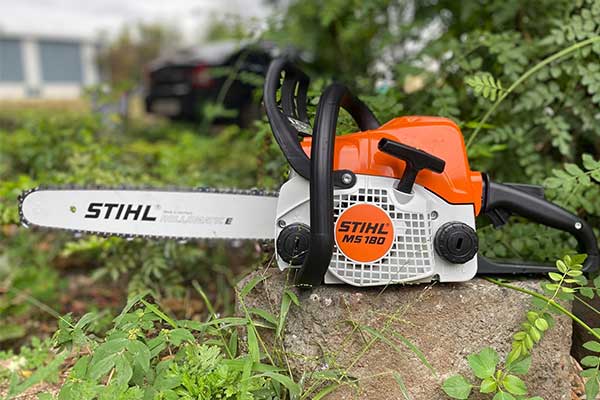
  • Stihl MS 180 Chainsaw: Lightweight Powerhouse for Homeowners and Gardeners

    Stihl MS 180 Chainsaw: Lightweight Powerhouse for Homeowners and Gardeners

    Stihl MS 180 Chainsaw: Lightweight Powerhouse for Homeowners and Gardeners

    The Stihl MS 180 Chainsaw: Lightweight Powerhouse for Homeowners and GardenersDesign and Build Quality

    The Stihl MS 180 features a compact and ergonomic design tailored for light to medium-duty tasks. Constructed from high-quality polymers and metal components, it strikes a balance between durability and weight. At just 8.6 pounds (powerhead only), the chainsaw is easy to maneuver, making it comfortable for extended use. Its thoughtful weight distribution ensures excellent balance, reducing operator fatigue.

    The Stihl MS 180 Chainsaw: Lightweight Powerhouse for Homeowners and GardenersPower and Performance

    The Stihl MS 180 is equipped with a 31.8cc 2-stroke engine that delivers a power output of 1.5 kW (2.0 hp), making it ideal for small to medium-duty cutting tasks. It supports a 16-inch bar length, providing a versatile cutting range for trimming, pruning, and cutting firewood. The chainsaw performs exceptionally well on softwoods like pine and handles moderate hardwoods such as oak and maple with ease, though it’s not designed for heavy-duty or professional logging.

    Despite its compact size, the MS 180 maintains consistent performance during extended use, provided it’s well-maintained. The engine’s design optimizes fuel efficiency while providing reliable power, allowing for smooth and precise cuts without excessive strain. Whether you’re managing a backyard project or light forestry work, this chainsaw delivers dependable results with minimal fuss.

    Technical Specifications of Stihl MS 180

    Specification Details
    Engine Displacement 31.8cc
    Power Output 1.5 kW (2.0 hp)
    Weight (Powerhead Only) 8.6 lbs (3.9 kg)
    Bar Length Options 12″ to 16″ (30 to 40 cm)
    Fuel Tank Capacity 8.5 oz (250 mL)
    Chain Oil Capacity 5.1 oz (150 mL)
    Chain Pitch 3/8″ P
    Warranty 1 Year (Limited)

    Ease of Use

    The MS 180 is built with user convenience in mind. Its Ergostart system simplifies the starting process, requiring minimal effort. The controls are intuitively placed, allowing for quick access during operation. An anti-vibration system minimizes user fatigue, making it easier to handle for extended periods. The tool-less chain tensioning mechanism ensures hassle-free adjustments. Maintenance is straightforward, with accessible air filters and a side-mounted chain tensioner for quick servicing.

    Safety Features

    Stihl has equipped the MS 180 with several critical safety features. The QuickStop chain brake instantly halts chain movement in the event of kickback. A throttle lock-out mechanism prevents accidental throttle engagement, while the anti-vibration system not only enhances comfort but also reduces the risk of injury over long-term use.

    Fuel Efficiency

    The MS 180 is known for its impressive fuel efficiency in its class. The Stihl 2-MIX engine technology reduces emissions while maximizing fuel economy, making it an economical choice for regular use. Compared to competitors, the MS 180 offers competitive runtime per tank, ensuring fewer interruptions during work.

    Durability and Reliability

    Long-term users praise the MS 180 for its dependability when properly maintained. Its durable construction resists wear, even under moderate to heavy use. Known issues are rare but may include carburetor tuning needs or chain oil delivery concerns. Regular maintenance ensures a prolonged lifespan.

    Value for Money

    Priced competitively, the Stihl MS 180 offers excellent value for homeowners and casual users. While it may not match the performance of professional-grade models, it delivers outstanding quality and features at its price point, making it a worthwhile investment for light to medium-duty tasks.

    Conclusion & Recommendations

    The Stihl MS 180 is ideal for homeowners, gardeners, and DIY enthusiasts seeking a lightweight and reliable chainsaw for occasional to moderate use. Its ease of use, safety features, and fuel efficiency make it a standout choice. However, professionals or those tackling heavy-duty tasks might benefit from upgrading to a more powerful model like the Stihl MS 261.

    Pros and Cons

    Pros:

    1. Lightweight and ergonomic design
    2. Reliable power for small to medium tasks
    3. User-friendly features like easy start and tool-less chain tensioning
    4. Excellent fuel efficiency
    5. Integrated safety mechanisms

    Cons:

    1. Not suitable for heavy-duty applications
    2. Occasional carburetor adjustments needed
    3. Smaller fuel and oil tank capacities

    Most Common Questions and Answers

    Q1: Can the MS 180 handle hardwoods like oak or maple?
    A1: Yes, it can handle moderate hardwood cutting but is better suited for smaller diameters or occasional use.

    Q2: Is it easy to maintain for beginners?
    A2: Absolutely. The tool-less chain tensioner and accessible air filter make it beginner-friendly.

    Q3: How does it compare to electric chainsaws?
    A3: While electric models are quieter and emission-free, the MS 180 offers more power and flexibility for outdoor tasks.

    Q4: Is the anti-vibration system effective?
    A4: Yes, it significantly reduces fatigue, making the chainsaw comfortable for longer jobs.

    Q5: What’s the warranty on this model?
    A5: The Stihl MS 180 comes with a limited one-year warranty for residential use.

    The Stihl MS 180 stands out as an efficient and reliable chainsaw, particularly for homeowners. Its balance of power, safety, and ease of use ensures it remains a favorite among light-duty chainsaws.


  • HUSQVARNA 130 Gas Chainsaw Review Power, Performance, and Reliability

    HUSQVARNA 130 Gas Chainsaw Review Power, Performance, and Reliability

    HUSQVARNA 130 Gas Chainsaw Review A Powerful and Versatile Cutting Tool for Homeowners

    Introduction:

    When it comes to maintaining your property, having a reliable and efficient chainsaw is essential. The HUSQVARNA 130 Gas Chainsaw is a popular choice among homeowners, offering a perfect balance of power and maneuverability. In this in-depth review, we will explore the technical specifications, pros and cons, and provide a comprehensive conclusion on the performance and usability of the HUSQVARNA 130 Gas Chainsaw.

    HUSQVARNA 130 Gas Chainsaw Review Power, Performance, and Reliability

    Technical Specifications:

    Engine: 38 cc, 2-stroke engine
    Power Output: 1.5 kW
    Bar Length: 16 inches (40 cm)
    Chain Speed at Maximum Power: 17.7 m/s (58 ft/s)
    Fuel Tank Capacity: 0.25 liters (8.5 fl oz)
    Oil Tank Capacity: 0.15 liters (5.07 fl oz)
    Weight: 4.7 kg (10.4 lbs)

    Husqvarna 130

    When choosing a chainsaw for your property maintenance needs, it’s essential to consider the available options like:
    1. Power and Performance
    2. Bar Length
    3. Weight and Maneuverability

    Pros:

    Powerful Performance:

    Equipped with a 38 cc, 2-stroke engine, the HUSQVARNA 130 Gas Chainsaw delivers a robust power output of 1.5 kW. This power enables it to handle a wide range of cutting tasks with ease, from pruning branches to felling small trees.

    Lightweight and Maneuverable:

    Weighing just 4.7 kg (10.4 lbs), this chainsaw is remarkably lightweight, reducing fatigue and strain during extended use. Its compact design allows for excellent maneuverability, making it ideal for navigating through tight spaces or working in challenging positions.

    Easy Start System:

    The HUSQVARNA 130 Gas Chainsaw features a user-friendly Smart Start system, reducing the resistance in the starter cord by up to 40%. This innovative design makes starting the chainsaw effortless, even for users with limited upper body strength.

    LowVib Technology:

    HUSQVARNA has integrated their LowVib technology into this chainsaw, effectively reducing vibrations transmitted to the user’s hands and arms. This feature enhances user comfort during operation, minimizing the risk of muscle fatigue and long-term injuries.

    Cons:

    Limited Bar Length:

    With a 16-inch (40 cm) bar length, the HUSQVARNA 130 Gas Chainsaw may not be suitable for larger cutting tasks or professional use that requires a longer reach. However, it is well-suited for most homeowners’ needs.

    Small Fuel and Oil Tank Capacity:

    The chainsaw’s fuel tank has a capacity of 0.25 liters (8.5 fl oz), and the oil tank can hold up to 0.15 liters (5.07 fl oz). While sufficient for typical home projects, this may require more frequent refueling during extended cutting sessions.

    Conclusion:

    The HUSQVARNA 130 Gas Chainsaw is a powerful and versatile cutting tool designed specifically for homeowners. With its lightweight design, easy start system, and LowVib technology, it provides excellent maneuverability, reduced fatigue, and enhanced user comfort. While its 16-inch bar length and smaller tank capacities may limit its use for larger tasks, it remains an exceptional choice for regular property maintenance.

    FAQ:

    Q: Is the HUSQVARNA 130 Gas Chainsaw suitable for professional use?
    A: The HUSQVARNA 130 Gas Chainsaw is primarily designed for homeowners and light to medium-duty cutting tasks. For heavy-duty professional use or larger projects, chainsaws with longer bar lengths and higher power outputs are more suitable.

    Q: How do I maintain the HUSQVARNA 130 Gas Chainsaw?
    A: Regular maintenance is crucial for optimal performance. This includes keeping the chain sharp, cleaning the air filter, checking and replacing the spark plug as needed, and regularly lubricating the chain and bar. Always refer to the user manual for specific maintenance instructions.

    Q: Can I use alternative fuel mixtures with this chainsaw?
    A: It is highly recommended to use the manufacturer-recommended fuel mixture, which is a 50:1 ratio of unleaded gasoline to 2-stroke oil. Using alternative fuel mixtures can adversely affect the performance and longevity of the chainsaw. Always follow the guidelines provided by the manufacturer.

    Q: Is the HUSQVARNA 130 Gas Chainsaw suitable for pruning branches?
    A: Absolutely! The HUSQVARNA 130 Gas Chainsaw’s power and maneuverability make it an excellent choice for pruning branches of various sizes. Its lightweight design allows for easy handling and precision cuts.

    Q: Does the HUSQVARNA 130 Gas Chainsaw come with a warranty?
    A: Yes, HUSQVARNA offers a limited warranty for their chainsaws. The specific terms and duration of the warranty may vary, so it’s recommended to check the warranty information provided by the manufacturer or authorized dealers.

    Q: Is the HUSQVARNA 130 Gas Chainsaw suitable for professional use?
    A: While the HUSQVARNA 130 Gas Chainsaw is a capable and powerful tool, its 16-inch bar length and smaller fuel and oil tank capacities may not make it the ideal choice for heavy-duty professional use. It is best suited for homeowners and light to medium-duty cutting tasks.


  • Stihl Chainsaw History of Models and Year of Production

    Stihl Chainsaw History of Models and Year of Production

    Stihl Chainsaw History of Models and Year of Production

    legendary performance chainsaw known throughout the world

    Whether for occasional chainsaws or professional chainsaws, STIHL chainsaws are known for the quality and performance they provide to their owners year after year. Known for reliability and durability, STIHL is the world’s best-selling gas-powered chainsaw brand, packed with features for optimum performance and enhanced convenience.

    STIHL – chainsaws from 1929 to today

    Here are the series, models and years of manufacture of all Stihl gas chainsaws from 1928 to today.

    The first Still chainsaw was patented by Andreas Still in 1926 and it was an electric model. His second Stihl chainsaw model was the first petrol chainsaw, which appeared in 1929.

    Since then, the company has produced many models. Stihl is a German company, but its chainsaws are now assembled all over the world.

    On older Stihl chainsaws it is often necessary to check the year of manufacture and model number (type) of the saw. This information is important, for example, to know which spare parts will fit. However, many Stihl saws only display this information on a sticker (often illegible or missing), so it is not always easy to identify these important specifications.

    Luckily, Stihl chainsaws have two different identification numbers, permanently embossed on the saw body.
    Serial number (S/N) and part number (P/N). These numbers really say a lot about the saw.

    Availability of some models varies greatly by region.
    After being discontinued in Europe for safety reasons, the 08 S continued to be sold in other countries for many years.

    There were also regional variations in the displacement of some models, which were also influenced by year of manufacture. An example is type 1123.


    Stihl Chainsaw Models and Year of Production

    Chainsaw Type STIHL Model Chainsaw Description Power CC HP Weight (KG) Year of production
    A Stihl A – two-man saw 235-6.0 46.0 1929-1932
    BBÜ 35 Stihl hacksaw 158-4.0 30.0 1936-1954
    BBÜ 50 Stihl hacksaw 158-4.0 30.0 1936-1954
    B2Z Stihl – two-man saw with a 2-cylinder boxer engine engine for the Wehrmacht also as a power unit 450-10 59.0 1937-1938
    BD Stihl – two-man saw 300-8.0 53.0 1934-1939
    BDK Stihl – two-man saw 192-6.0 37.0 1936-1945
    BDKH Stihl – two-man saw (German Army) 226-7.5 38.0 1938-1945
    1402 BDN Stihl two-man saw 300-9.0 38.0 1939-1958
    BK Stihl two-man saw 160-4.0 26.5 1932-1938
    RBB Stihl two-man saw 125-4.5 22.5 1952-1959
    1401 KS 43 Stihl two-man saw (Wehrmacht) 300-9.0 36.0 1943-1971
    KS 43 Stihl two-man saw (Wehrmacht) 250-8.0 36.0 1943-1971
    1101 BL Stihl two-man saw (also one-man saw through conversion) Also as BG 41 125-4.5 19.0 1952 -1959
    1102 BLK 57 Model with Pallas carburetor 98-3.5 11.0 1954 – 1968
    1103 BLK 58 Model with Pallas carburetor. The motor was also used for attachments (FS, BG, HS, DP). 105-4.5 11.5 1956 -1966
    1104 BLK 58 Model with Bing carburetor 105-4.5 11.5 1957 – 1958
    1105 BLK 58 Model for offices 105-4.5 11.0 1956 – 1973
    1106 Contra 06 One man saw 1106 Contra 105.7-6.0 12.3  1959 -1967
    Against AV First, chainsaw with an AV system 105.7-6.0 13.3 1965 – 1968
    Against SAV The predecessor of the 090 AV, from 65 AV 134-8.0 14.6  1959 – 1967
    070,070AV successor to the contra 105.7-6.5 12.9 1967 -1985
    090,090AV Successor to the Contra S 136.8-8.5 15.0 1969 -1985
    070, MS 720 Made in Germany (not for Europe) Stihl MS 720 106.5-6.5 10.7 1984
    090AV Made in Germany (not for Europe) 136.8-8.5 11.5 1984 catalog 2011
    1107 07 Chainsaw with a powerful engine and good weight 75-4.5 10.0 1961 -1965
    07S Successor to the 07 with more power 75-4.8 10.8 1965 -1968
    1108 08 The 08 was also offered as HS, FS, TS, and BR 50-3.0 8.0 1963 -1965
    08 p The 08 S was also offered as HS, FS, TS, and BR. From 08 S 16578418 with 2 x idle screw on the Vg. 56-3.4 8.5 1965 -1995
    08S QS Manufacturing in Brazil 60.3-3.8 7.1 1984
    S10 The S 10 is almost identical to the 08 55.5-3.4 8.4 1967 – 1973
    1109 Against G Chainsaw with 2:1 reduction (gear) 105.7-6.0 14.9 07/01/1964 – 07/01/1968
    Against GS Chainsaw with 2:1 reduction (gear) 134.0-8.0 15.5 07/01/1964 – 07/01/1968
    090G Successor to the Contra SG with the 070 engine 106-6.5 17.6 04/15/1969 – 09/15/1985
    1110 040 Predecessor of the 041 without AV system 61-3.7 6.8 05/15/1967 – 10/15/1968
    041 041 AVEQ from 68 with electr., from 73 Q with separation. Was also offered as HS, FS. Also used by the Bundeswehr 61-3.7 1973-3.8 8.4 05/15/1967 – 12/15/1986
    041 FB FARM BOSS with structural changes up to 1986 61.0-3.8 8.6 02/15/1976 – 05/15/1986
    041 AV FREQZ 041-FB. from 80 Q without separation FB US version 72:4-4:2 8.5 05/15/1977 – 11/15/1983
    1111 050-AV The predecessor of the 051 AV. Was also offered as a TS 89-5.8 11.0 09/15/1968 – 12/15/1971
    051AV 051 AVERQLZ, from 73 with electr., from 78 with Q and separation, from 82 Q without separation. Also used by the Bundeswehr. Also as TS 510 89-5.8 10.7 01/15/1972 – 06/15/1989
    051AV Manufacturing in Brazil 89.2-5.8 9.7 05/15/1973
    075 AV The 075 was also offered as a TS. From 78 Q with separation 111-7.0 11.7 05/15/1974 – 01/08/1979
    076 AV The 076 was also offered as a TS. Q o. Separation only BR – production 111-7:2 11.0 05/15/1980 – 06/15/1989
    076 AV Manufacturing in Brazil 111-7:2 10.7 05/15/1980
    1112 041 G 041 with 2:1 reduction (gear) and without AV 60.8-3.6 9.3 07/01/1969 – 03/15/1977
    1113 030AV up to serial number 1664999 45.0-2.9 6.4 05/15/1970 – 12/15/1971
    031 from serial number 1665000 as 031 AV. AV, from 72 square meters with separation, 73 with electric. And W, 1980 Q o. Separation 48:7-3:2 6.3 09/15/1971 – 02/15/1982
    032AV from 80 Q without separation 50.9-3.5 6.4 11/15/1978 – 05/15/1985
    1114 020 AV was also offered as HS, FS, TS 31:8-2:2 4.3 05/15/1971 – 06/15/1979
    020 AVPE Electronic ignition 31:8-2:2 4.3 04/15/1974 – 04/15/1976
    020 AVPEQW from 73 sqm with separation, from 74 electr. and heated grips 31:8-2:2 4.3 06/15/1972 – 11/15/1979
    020 AVPSEQW With a larger bore and more power 35:2-2:3 4.5 09/15/1977 – 01/15/1978
    020 AVSEQZ From 81 Q without separation (brake band) 35:2-2:3 4.5 09/15/1977 – 01/15/1993
    1115 045 AV also used by the BW (045 AVEK) 75.0-4.7 9.5 06/15/1972 – 12/15/1973
    045 AVREQZ from 76 Q without separation 81.0-5.0 9.9 03/15/1974 – 01/15/1980
    045 AVSERQZ from 79 Q without separation 87.0-6.0 9.5 08/15/1977 – 03/15/1980
    054 AVEQZ 80.7-5.5 9.9 03/15/1980-??.??.198?
    056 AVEQZ 80.7-5.5 9.9 03/15/1980 – 02/15/1985
    056 AVEQRZ Magnum 1 87.0-6.0 9.5 07/15/1984 – 11/15/1984
    056 AVSEQZ increased performance 87.0-6.1 9.5 03/15/1980 – 12/15/1987
    056 AVEQRZ magnum 2 93.6-6.4 9.9 02/15/1985 – 11/15/1991
    1116 015 L was also offered as HS, FS 31:8-1:8 4.0 04/15/1973 – 06/15/1980
    015 AVEQZ from 74 electr., from 78 Q without separation 31:8-1:8 4.0 04/15/1976 – 03/15/1983
    015 LEQZ from 74 electr., from 78 Q without separation 31:8-1:8 4.0 10/15/1973 – 03/15/1983
    1117 042 AVEQZ from 79 Q without separation 68.0-4.5 7.6 01/15/1976 – 03/15/1980
    048 AVEQRWZ 76.4-5.0 7.7 12/15/1979 – 09/15/1987
    1118 028AVE Q o. Separation 43-2.8 5.4 1977-10/15/1979
    028 AVEQWZ Q o. Separation 46.8-3.0 5.6 06/15/1979 – 10/15/1983
    028 AVSEQWB Increase in displacement and increase in performance 51.5-3.4 5.8 11/15/1983 – 10/15/1993
    1119 038 AVERQWZ from 04.83 as farm boss 61.5-4.0 6.4 01/15/1980 – 10/15/1985
    038S AVERQWZ great 66.6-4.4 6.6 ?.?.198?-
    038 AVERQWZ magnums 72.2-4.8 6.6 10/15/1985 – 11/15/2003
    MS 380 AVERQWZ not for the European market, made in Brazil 72.0-4.9 6.5 11/15/2003-
    MS 381 not for the European market, made in Brazil 72:2-5:3 6.6
    MS 382 not for the European market, made in Brazil 72:2-5:3 6.2 ?.?.2016-
    1120 009 EQZ Woodboss, from 82 electr., from 05.84 in gray, from 85 CEPA. No longer available in the EU 36:6-1:6 4.1 10/15/1980 – 12/15/1997
    009 LEQZ Woodboss, from 82 electr., from 05.84 in gray, from 85 CEPA. No longer available in the EU 40.8-2.0 4.1 10/15/1980 – 12/15/1997
    011 AVEQZ from 82 electr. , from 84 in grey 41.0-2.0 4.4 12/15/1980 – 12/15/1996
    011 AVTEQZ 41.0-2.0 4.4 06/15/1984 – 12/15/1990
    011 T 41.0-2.0 4.4 04/15/1984 – 12/15/2004
    010 AVEQT 36:6-1:6 4.4 06/01/1967 – 10/01/1991
    012 AVEQZT 45:2-2:3 4.6 08/01/1978 – 09/01/1991
    1121 024 AVEQZ Woodboss, from 86 as Woodboss 41:6-2:9 4.7 02/15/1982 – 12/15/1992
    024 AVSEQWZ Increase in displacement and increase in performance 44:3-3:1 4.7 02/15/1982 – 12/15/1992
    024 Z Attachment option for HS 246 41:6-2:9 4.6 01/15/1993 – 08/15/2001
    MS 240 Attachment option for HS 246 41:6-2:9 4.6 08/15/2001
    026 NWZ from 08.89 VH, from 04.02 CEPA, from 04.97 EPA 48.7-3.5 4.7 08/15/1988 – 08/15/2001
    026c KSS 48.7-3.5 4.7 06/15/1998 – 08/15/2001
    026 CW CAT 48.7-3.5 4.7 09/15/1993 – 08/15/2001
    MS 260 WHV Arctic, special edition Timbersports 2012 in the BR catalog 48.7-3.5 4.7 08/15/2001 – 12/31/2011
    MS 260 C Attachment option for HS 246 48.7-3.5 4.7 08/15/2001 – 12/31/2011
    1122 064 AVEQW HD sentence possible 84.9-6.5 6.8 01/01/1986 – 01/12/2002
    MS 640 AVEQWR 84.9-6.5 6.8 01/15/2003 – 11/15/2004
    MS 650 AVE 2012 in BR 84.9-6.5 7.3 11/15/2004 – 12/31/2011
    066 NMRWZ, from 05.91 HD, from 11.92 VH, from 12.92 CEPA1 91:6-6:8 7.3 03/15/1991 – 09/15/2002
    MS 660 AVEQWRVH WVH ARCTIC 91:6-7:1 7.3 15.10 2002-
    1123 021 Z, from 04.97 EPA1, from 12.99 CEPA and Carb 35.2-2.0 4.4 10/15/1989 – 01/15/2002
    021 C 35.2-2.0 4.4 05/15/1995 – 01/15/2002
    MS 210 CBE 2008 BR 35.2-2.0 4.4 03/15/2002 – BR catalog 2007
    023 LLZ, from 04.94 EPA1, from 11.98 CEPA 40:2-2:7 4.6 12/15/1994 – 12/15/1998
    023 ZEPA1CEPA 40:2-2:7 4.6 10/15/1989 – 01/15/2002
    023 CZEPA1CEPA 40:2-2:7 4.6 01/15/1995 – 01/15/2002
    MS 230 CBE from 2008 with 45.4 cc 40:2-2:7 4.6 03/15/2002 – 12/31/2011
    025 Z, from 04.94 EPA1, from 11.98 CEPA, from 2000 45.4 ccm 44:3-3:1 4.9 11/15/1990 – 01/15/2002
    025 CZEPA1CEPA, from 12.99 Carb 44:3-3:1 4.9 05/15/1995 – 01/15/2002
    MS 250 CBE 2012 BR 45:4-3:1 4.9 03/15/2002 – 12/31/2011
    MS 250 (Read More…) 45:4 cc – 2.77 cu. in. -3:1 4.9 kg – 10.8 lbs 03/15/2002 –
    1124 084 RZEPA 121:6-8:2 9.0 07/15/1986 – 08/15/2003
    088 AVEQW Magnum 121:6-8:7 9.0 07/15/1996 – 08/15/2003
    MS 780 not sold in the EU 121.6-8.5 9.0
    MS 880 AVEQWRVH 121:6-8:7 9.0 09/15/2003-
    1125 034 AVEQWZ 56:4-4:2 5.5 08/01/1984 – 09/15/1987
    034 AVSEQWZ 61.5-4.6 5.6 06/15/1987 – 06/15/1991
    034 WBZ 56:4-4:2 5.5 01/15/1988 – 12/15/1992
    034 Z 56:4-4:2 5.6 01/15/1993 – 08/15/2002
    MS 340 56:4-4:2 5.5 08/15/2002 – 09/15/2003
    MS 340 Z 56:4-4:2 5.6 10/01/2001 – 12/15/2003
    036 NWZVH, from 11.95 VH, from 10.97 EPA, from 10.99 CEPA 61.5-4.6 5.7 06/15/1991 – 08/15/2002
    036 QSZ, from 02.98 EPA 61.5-4.6 5.7 11/15/1995 – 10/15/1998
    036 CZ, from 09.99 CEPA and EPA 61.5-4.6 5.7 11/15/1998 – 08/15/2001
    MS 360 BR – Manufacturing 61.5-4.6 5.7 08/15/2001-
    MS 360 C 61.5-4.6 5.7 08/15/2001 – 12/15/2003
    MS 360 Z 61.5-4.6 5.7 10/15/2001 – 12/15/2003
    1127 029 From 12.97 S, from 04.99 EPA1 54.0-3.7 5.9 06/15/1992 – 12/15/2000
    029 farm boss 56:5-4:1 5.9 04/01/1999 – 12/15/2000
    MS 290 56:5-4:1 5.9 07/15/2000 – 01/15/2007
    MS 290 farm boss 56:5-4:1 5.9 01/15/2007 – 12/31/2012
    039 64.0-4.6 6.0 06/15/1992 – 12/15/2000
    039 farm boss 64.0-4.6 6.0 06/15/1993 – 12/15/2000
    MS 390 64.0-4.6 6.0 07/15/2000-Dec. 2010
    MS 310 Is not the successor of 1113 – Stihl 031, 2012 in the BR catalogue 59.0-4.4 5.9 1506.2000-31.12.2012
    1128 044 NRWZ, from 02.89 HD, from 11.92 VH, from 10.97 EPA, from 11.00 CEPA 70.7-5.4 6.3 06/15/1988 – 01/15/2001
    044 C CAT 70.7-5.4 6.3 03/15/1996 – 01/15/2001
    044 CSA 70.7-5.4 6.3 02/15/1991 – 10/15/1991
    044 CW CAT 70.7-5.4 6.3 08/15/1989 – 10/15/1995
    MS 440 ZCWVH CAT ARCTIC 70.7-5.4 6.3 01/15/2001 – 12/31/2011
    MS 440 1128 261 0003 RESCUE SAW R (not for C KAT)50cm DEFS 70.7-5.4 6.7 – 12/31/2011
    MS 460 1128 261 0003 RESCUE SAW (not for C KAT)50cm DEFS 76.5-6.0 7.0 02/15/2001-
    046 MRWZHDVH, from 11.97 EPA, from 11.99 CEPA 76.0-6.0 6.6 08/15/1995 – 01/15/2001
    046 C CAT 76.0-6.0 6.6 11/15/1996 – 01/15/2001
    046 N 76.0-6.0 6.6 10/15/2000 – 01/15/2001
    MS 460 WVHMZC CAT 76.5-6.0 6.6 02/15/2001-
    MS 461 2 mix engine VW 76.5-6.0 6.7 2012-
    1129 020 AV 35:2-2:3 3.5 12/15/1996 – 11/15/2000
    020 TZCEPAEPA1, from 01.98 Carb 35:2-2:3 3.5 11/15/1993 – 11/15/2000
    ms 200 35:2-2:3 3.8 10/15/2000 – 12/31/2011
    ms 200 T = TOP HANDLE chain saw for tree care 35:2-2:3 3.5 10/15/2000 – 12/31/2011
    1130 017 Entry-level model with basic equipment 30:1-1:8 3.9 03/02/1995 – 11/15/2001
    017 C 30:1-1:8 3.9 02/15/1997 – 11/15/2001
    018 Z entry-level model with basic equipment and more horsepower 31.8-2.0 3.9 12/15/1998 – 11/15/2001
    018 CZ 31.8-2.0 3.9 12/15/1998 – 11/15/2001
    018 CZ CAT 31.8-2.0 3.9 06/15/2000 – 11/15/2001
    MS 170 C KAT is replaced by MS 171 (Read More…) 30:1-1:8 3.9 11/15/2001 catalog 200?
    MS 170 D with CAT 30:1-1:8 4.2 11/15/200? catalog 2012
    MS 170 Now with 2 mix motor (Read more…) 30:1-1:6 4.1 2013 – 2024
    MS 180 C CAT COND 31.8-2.0 3.9 11/15/2001- Catalog 2009 – 2024
    MS 180 Now with 2 mix motor (Read More…) 31:8-1:9 4.1 2014 – 2024
    1132 019 TEPA, from 02.97 carb 35.2-1.6 3.9 06/15/1996 – 10/15/2000
    MS 190 T = TOP HANDLE 35.2-1.6 3.9 10/01/2000 – 10/01/2004
    MS 190 TZ 35.2-1.6 3.9 10/01/2000 – 10/01/2004
    MS 191 T = TOP HANDLE 46.5-2.0 4.0 02/15/2001 – 10/01/2004
    MS 191 46.5-2.0 4.0 02/15/2001 – 10/01/2004
    1133 MS 270 AVCB 50.0-3.5 5.3 06/15/2002 Catalog 2010
    MS 270 Z 50.0-3.5 5.3 01/01/2003 Catalog 2010
    MS 280 EPA 54.7-3.8 5.3 10/01/2002 catalog 2010
    MS 280 C-EPA 54.7-3.8 5.3 10/01/2002 catalog 2010
    MS 280 Z 54.7-3.8 5.3 10/01/2002 catalog 2010
    1135 MS 341 59.0-4.2 5.5 07/15/2003 Catalog 2011
    MS 341 Z 59.0-4.2 5.5 12/15/2003 Catalog 2011
    MS 361 2012 in BR 59.0-4.6 5.6 07/15/2003 Catalog 2010
    MS 361 Z 59.0-4.6 5.6 12/15/2003 Catalog 2010
    1137 MS 192 CE 30:1-1:8 3.3 03/01/2007-
    MS 192 T Stihl’s lightest chainsaw 30:1-1:8 3.0 03/01/2007-
    MS 193 CE 30:1-1:8 3.5 2014 –
    MS 194  T = TOP HANDLE (Read More…) 31.8 cc (1.94 cu. in.) -1:8 3.3 kg (7.3 lbs) 2019 –
    1138 MS 441 C-QMW 70.7-5.6 6.7 01/01/2007-
    MS 441CM C-MW 70.7-5.6 6.7 01/01/2011-
    1139 MS 171 2- MIX technology D (Read More…) 30:1-1:8 9.7 lbs – 4.3 kg 2008-
    MS 181 2- MIX technology (Read More…) 31.8-2.0 9.7 lbs – 4.3 kg 2009 –
    MS 181 2- MIX technology C-BE (Read More…) 31.8-2.0  9.7 lbs – 4.3 kg 2009 –
    MS 211 2- MIX technology C-BE (Read More…) 35:2-2:3 4.6 kg – 10.1 lbs 2008-
    1140 MS 311 2- MIX technology 59.0-4.2 6.2 to 6.4 2009-
    MS 391 2- MIX technology 64:1-4:5 6.2 to 6.4 2009-
    MS 362 2-MIX technology C-BQVW (Read More…) 59.0-4.6 5.9 2010-
    MS 362CM M-TRONIC C-BQVW (Read More…) 59.0-4.8 5.8 2012-
    1141 MS 261 2-MIX technology C-BEQVW (Read More…) 50.2-3.8 5.2 2010-
    MS 261CM M-TRONIC CM (Read More…) 50.2-3.9 5.2 June 2013-
    MS 261CM M-TRONIC C-BMVW (Read More…) 5.4 June 2013-
    MS 271 2-MIX technology(Read More…) 50.2 cc -3.06 cu. in. -3.5 5.6 kg – 12.3 lbs 2010-
    MS 271 2-MIX technology C-BE(Read More…) 6.2 2010-
    MS 291 2-MIX technology 55.5-3.8 5.6 2010-
    MS 291 2-MIX technology C-BEQ 6.3 2010-
    1142 MS 462CM M-TRONIC C-MW 72.2-6.0 6.1 2017-
    1143 MS 231 2-MIX technology 40:6-2:7 4.9 2011-3013
    MS 231 2-MIX technology C-BE 5.2 2011-2013
    MS 231 2-MIX technology 42:6-2:7 5.2 2013-
    MS 231 2-MIX technology C-BE 5.2 2013-
    MS 251 2-MIX technology 45.6-3.0 4.9 2011-
    MS 251 2-MIX technology C-BEQ 5.3 2011-
    MS 241CM M-TRONIC CM 42.6-3.0 4.7 2011-
    MS 241CM M-TRONIC C-BEMQVW 5,0+? 2011-
    1144 MS 661 C-M M-TRONIC C-MW 91,1-7,3 7,4 2013-
    1145 MS 201 2-Mix-Technologie T Ausführung 35,2-2,4 3,7 2012-
    MS 201 2-Mix-Technologie BH Ausführung 3,9 2012-
    MS 201 C-M M-TRONIC TC-M T Ausführung 3,7 2015-
    MS 201 C-M M-TRONIC C-M BH Ausführung 3,9 2015-
    1146 MS 150 2-Mix-Technologie T Ausführung 23,6-1,3 2,6 2012-
    MS 150 2-Mix-Technologie BH Ausführung 2,8 201?-
    1147 MS 500i i-Injektion 79,2-6,8 6,2 2019-
    1148 MS 162 2- MIX-Technologie C (Read More …) 30,1-1,6 4,5-4,8 2022 –
    MS 172 2- MIX-Technologie C (Read More …) 31,8-1,9 4,5-4,8 2023 –